Off the Ground: Early Days on the Diagonal, Part 3

Off the Ground: Early Days on the Diagonal, Part 3

(If you’re just joining this series, you really should read this first and work your way forward.)

July 10, 1979: The day we move to the shed. Small as it is, the shed feels immense compared to the tent. And it’s still standing, so perhaps we really can build a whole house.

In retrospect, 2017: We didn’t know how much ahead of the times we were. We built one of the world’s tiniest tiny houses way before tiny-house-living was a thing.

An army cot across one end with another along one side for the children gives us just enough room to lay a double sleeping bag on the floor for us. Putting it out of the way each morning gives us room to dress, eat, play board games, and draw house plans—as long as we coordinate. The cots do double duty as daytime seating. Improvised single shelves along two walls keep some of our stash off the floor. We have no door, just a three-foot wide doorway.

In retrospect, 2017: I wonder why the possibility of intruders never occurred to us. We felt perfectly safe from the human type, but why weren’t we concerned about wildlife? In the years since, we’ve seen everything from snakes to bears. We must have been crazy!

img009

Our “kitchen” is just outside the shed on left end. The doorway is also on the left end. Suitcase and canned goods are lined up along our front “wall.”

With all outdoors for living, our little enclosure doesn’t feel cramped. Our “bathroom” in the woods boasts incredible scenery with its huge rhododendron walls for privacy—not that we need all that much privacy up here.

The shed’s plastic walls and roof provide plenty of natural light, but we discover the obvious—it’s either a steam room or a sauna, depending on the weather. No place to spend daylight hours, especially when it’s sunny. Yet, it’s the only suitable spot for drafting house plans.

July 11, 1979: The water inspector okays our septic tank, our first official approval of any kind. It feels like a huge accomplishment. But with one hurdle out of the way, we stumble onto another: the car won’t start. Fortunately, we find the problem and it’s an easy fix, but this experience magnifies our isolation. With only one car, no social support system, and no phone, our existence here is fragile and hinges on lots of things going right. We’ve already discovered they don’t always.

It’s only our second night in the shed and we have yet another heavy rainfall. The accompanying strong wind, which we’re coming to expect as normal, blows up under our plastic “roof” and tears holes where the plastic is strapped to the rafters. We get soaked. (It won’t be the last time.) A few repairs get us through the night.

July 12, 1979: We add a second layer of plastic, hoping it will be enough to protect us during the next big windstorm. We know there will be one.

While the Gnome works on the house plans we’ll have to submit to the county building inspector so we can actually start building, I chop down the few hundred black locust saplings covering our construction area. Everything’s happening a lot more slowly than we’ve anticipated. But it’s all progress.

img010

The Gnome’s drafting table with stacks of reference books to the right. Too hot for a shirt in here. Note upper left of picture where plastic is raised to let in a tiny bit of air. Sleeping gear in background.

(Tune in next week for more adventures in Early Days on the Diagonal.)

Early Days on the Diagonal: Part One

Early Days on the Diagonal: Part One

(The first of an eight-part series on our first steps toward modern homesteading.)

It had been building for years, this desire to make a bold move. The mountains had long ago wrangled a home in my heart, and they weren’t moving out. I yearned to make my physical home in the mountains, too. The Gnome’s long-term fascination with architecture was just itching for some creative expression.

We both imagined a bucolic life in the country, away from little houses all in a row where bedrooms were so close to the neighbors’ living rooms that they could hear every snore. We were two introverts leaning hard into recluse territory. The Gnome wanted to give our children an outdoor life, and he wanted to play in the dirt and build things. Me? I’m my mother’s daughter: I needed some elbow room, a place where no one was likely to drop in to borrow sugar or gossip over coffee. I dreamed of the freedom to roam the land, to run around outdoors naked if I wanted to (which makes me my father’s daughter, too).

So it was really no big surprise that in early 1979 we decided to make all our dreams come true at once. The only surprise was how long it took. But we’re not innately risk-takers. It was a slow, labored journey to convince ourselves we could make such a big change in our lives.

Once we got ourselves on the change bandwagon, the big question was where. Ultimately, we settled on western North Carolina, much closer to family than our current twelve and sixteen hour drives from our home in Louisville, KY, but still far enough to maintain our independence. The Gnome recalled a summer science camp he attended at a mountain college. That sounded like a good beginning point.

In April, we took a week’s vacation to look for land. Our good friends marveled at our daring—to leave secure jobs with no prospects, to take on a major designing and building effort with only books for guides, to move where we knew no one and had no support system. Yet, more than one of them admitted some envy and a secret wish to do something similar.

The local realtor who specialized in rural land took us all over the place, but nothing satisfied. Too steep, too near the highway, too close to neighbors. We were feeling pretty let down. It had never occurred to us that we might be unable to find anything suitable during our one-week window of opportunity.

We were ecstatic when Realtor John remembered one more piece of property. It met all our needs. At almost ten acres, half woods and half open meadow, we could count on privacy. The place was about a third of a mile from the graveled state-maintained road.

img001_edited_2

Portion of the meadow. In April, Spring’s still waiting in the wings.

Not a house to be seen. Exactly as we’d imagined. We had just enough time to sign on the dotted line before heading back home to prepare for the biggest move of our lives.


All manner of mosses, mushrooms, and lichens awaited us in our woods-to-be.

img005_edited_2

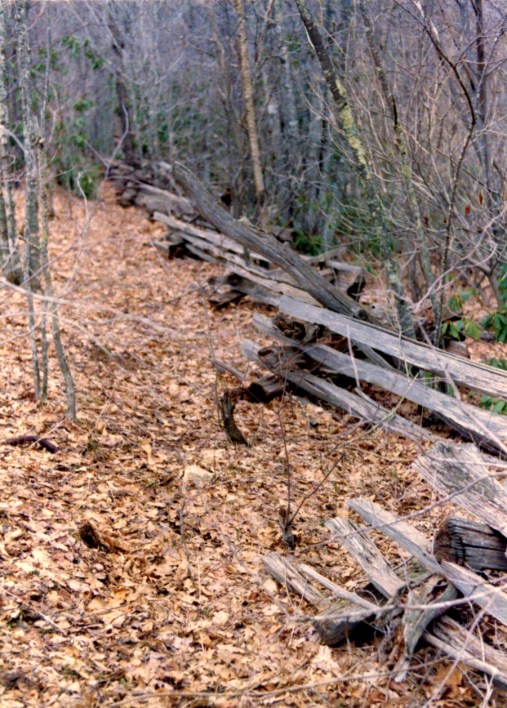
The locust rail fence along our eastern boundary captivated us.

dscf0061

We were delighted to find this creek on our property.

(Stay tuned for the next installment of Early Days on the Diagonal.)

Found Art

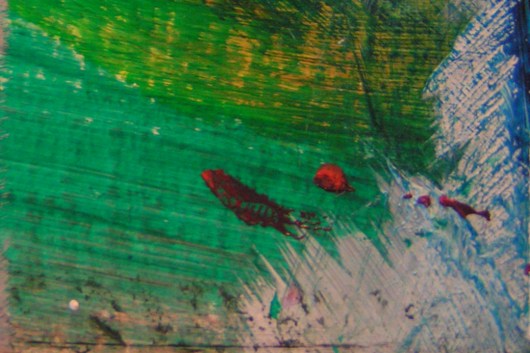
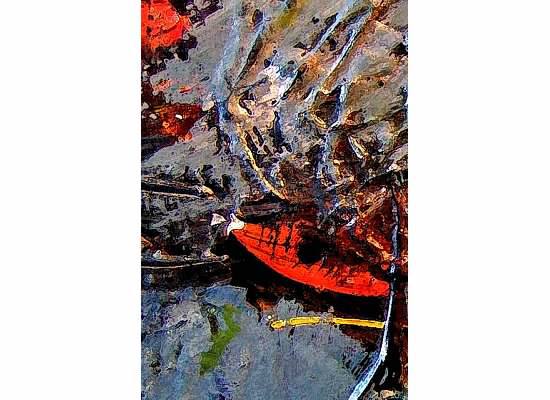
A few weeks ago, I shared some found poetry on this page. That’s when you pull words or phrases out of newspapers or other documents to form their own story in verse. Today’s post is short on words but full of another find—found art. I’ll tell  where it was found at the end. Bonus points if you figure it out before you get there. (No peeking!)

Group I:

MINOLTA DIGITAL CAMERA

MINOLTA DIGITAL CAMERA

MINOLTA DIGITAL CAMERA

Group II:

MINOLTA DIGITAL CAMERA

MINOLTA DIGITAL CAMERA

MINOLTA DIGITAL CAMERA

Group III:

MINOLTA DIGITAL CAMERA

MINOLTA DIGITAL CAMERA

found-art-boatfound-art-ghosts

Anyone?

The Gnome gets credit for finding all this art and photographing it. Actually, he had two sources.  But both come from the same event: what we call Grandparents’ Camp. That’s when we host our grandchildren for a week of pure fun. Every year, the number one item on each of their lists is painting. The Gnome took a closer look at what might pass the rest of us unnoticed. (That’s the way he is. It’s one of the reasons I love him so.) And this is what he found.

The art you see in Group I came from a piece of foam board that supports canvas panels on an easel, usually with binder clips or painter’s tape. What you see above is nothing more than where the artists’ strokes have extended beyond their work of art and onto the foam board.

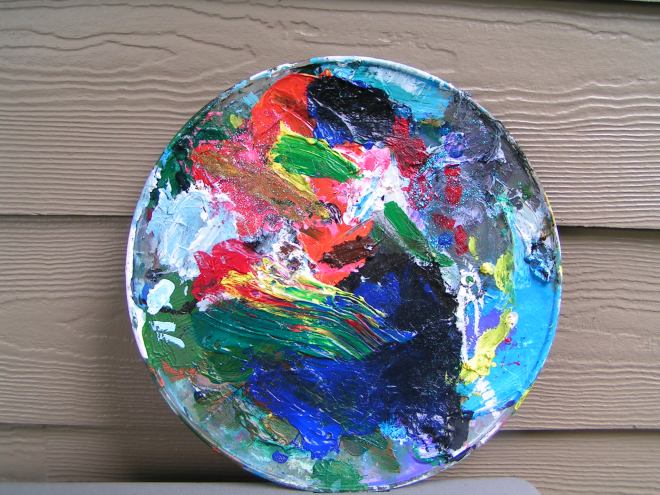
The art you see in Groups II and III came from a palette that in a former life was a plastic fruit platter from the grocery store. (It’s all about recycling here on the diagonal.) And next summer as more painting takes place, we’ll have a whole new selection of found art.  Pretty cool, huh?
MINOLTA DIGITAL CAMERA

Look closely. Can you find any of the art the Gnome discovered?

Food in the Forest

This is the time of year when the Gnome and Crone’s fancy turns to thoughts of maple syrup. Yes, we make our own. It’s foraging at its sweetest and just one more door to modern homesteading.

It’s no way to save money, though. There’s a reason real maple syrup costs more than the gooey stuff made with corn. We figured our first cup cost us a hundred dollars in materials alone. If we factored in labor, the real cost would quadruple—or more.

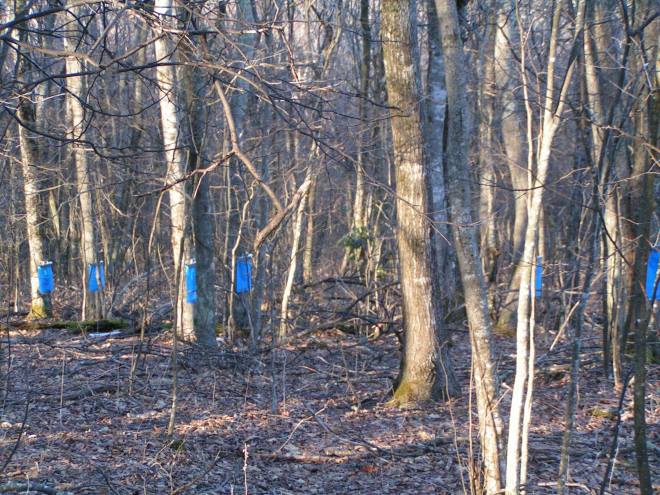
First we had to buy taps (or spiles), blue sap collection bags, and metal bag holders. There are cheaper ways, like making your own spiles with sumac stems and hanging buckets under them to catch the sap. We tried that, but the buckets filled with bugs and bits of bark, and the sap didn’t always make it into the buckets. So we opted for a closed system.

MINOLTA DIGITAL CAMERA

Our sap-collecting system at work

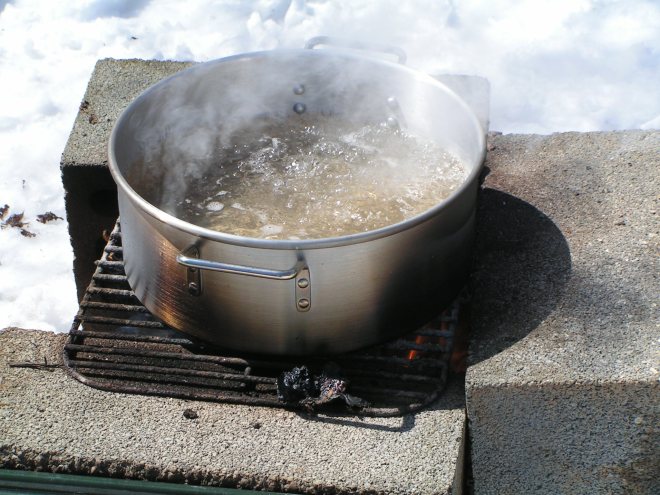
Nor did it take many days of standing in the rain, wind, cold, and snow to decide that there had to be a better, if more expensive, way to monitor the heating and evaporation process.

MINOLTA DIGITAL CAMERA

Boiling sap in the snow didn’t last long.

We bought a turkey fryer and a couple of twenty-pound propane tanks and moved the operation to our covered deck.


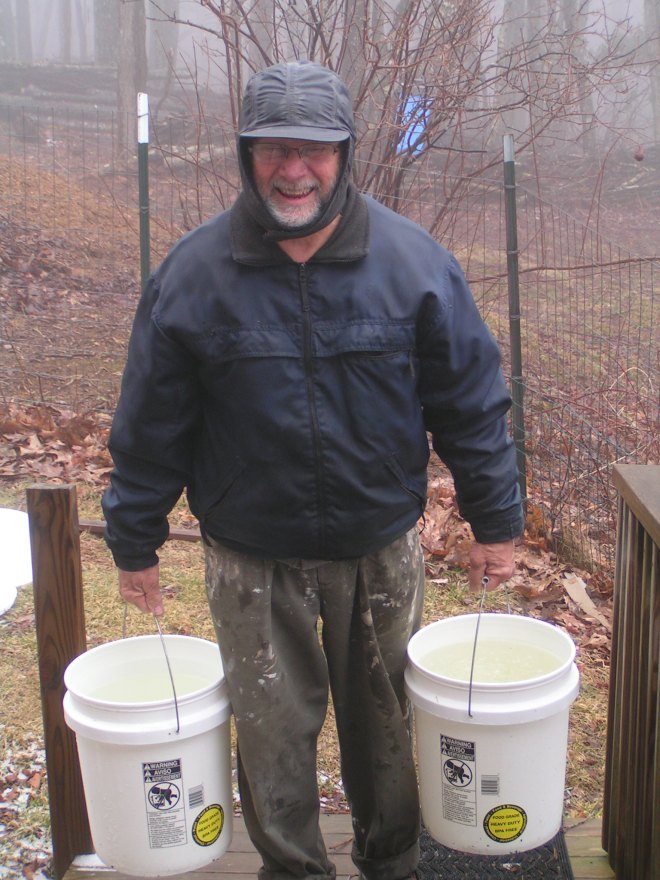
With glass doors leading to the deck, we’re able to check on the syrup-making progress from the warmth of indoors, and it also allows us to do a few other chores during the hours and hours of watching the pot boil. It takes a lot of boiling to turn tree water into syrup. Ten gallons of sap will make only one quart or so of syrup.

MINOLTA DIGITAL CAMERA

The Gnome hauls eighty-five pounds of maple sap with each trip from the woods to our deck where it goes into the pot to boil. This amount will yield about a quart of syrup.

But you can never take your eyes off the pot for very long, especially as the sap begins to thicken, or you’ll find yourself with burnt caramel seriously stuck to the bottom of your pot. (Ask me how I know.)

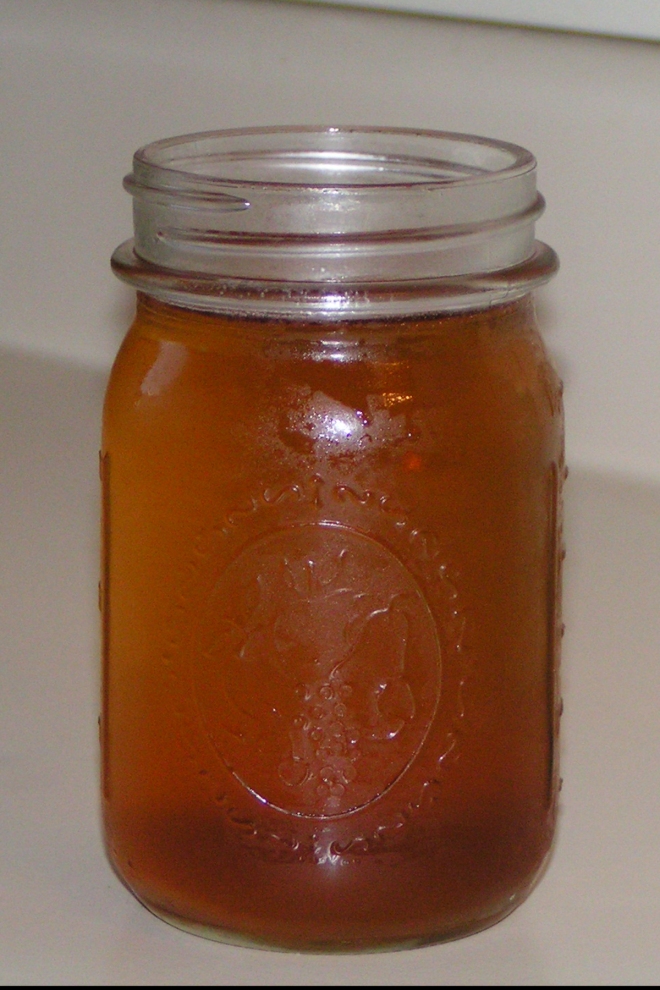
Of course, our cost has dropped with each batch since most of those supplies were a one-time expense. Our method will never win any awards for efficiency, though, partly because of the on-going propane expense. Still, we keep at it. At the end of a good season, we find ourselves with twenty or thirty pints of that sweet amber liquid, enough to enjoy a year’s worth of maple syrup over pancakes, on yogurt, with acorn squash, in smoothies, and still have plenty to share with friends and relatives.

The syrup-making season is short and unpredictable, especially where we live. Conditions for collecting sap have to be just right: night temperatures in the 20s and sunny days in the 40s, all before the trees begin to bud. The last couple of years haven’t been good ones.

So, why do we do it? While living frugally is part of our mantra, homesteading—modern or not—isn’t always about frugality. It’s more about being in touch with nature, about discovery, about doing for oneself, as well as the self-confidence, knowledge, and self-awareness that go along with all that. We like knowing that if we have to, we can. Whatever it is.

Besides, there’s nothing quite like the light, sweet taste of warm maple syrup you’ve cooked up yourself.

MINOLTA DIGITAL CAMERA

One pint of  homemade maple syrup coming up

A Love Story: The Beginning

The place: Furman University dining hall

The time: February 1, 1965, sophomore year; registration day for second semester classes

The scene: a group of friends sharing a long table at lunch. I’m facing the wall of glass that looks out onto the lake and its iconic swans.

My friend and future roommate has just come rushing to the table, practically dragging a guy we’d never seen before along with her. Jan wants to introduce us to this fellow she’s just discovered walking across campus. They are old childhood buddies. She’s bursting with excitement to have found him here, he having just transferred from the University of South Carolina. She’s eager for him to make fast friends and happily settle in to his new life as a Furman student.

* * *

Yes, this was the first time I laid eyes on The Gnome. His eyes twinkled and even then his lips curved into that amiably mischievous smile he’s so well known for. For the next year, our paths crossed in classroom building hallways or in the student center, where we usually stopped for a lighthearted chat. Sometimes we visited in the dining hall when he spotted our little group at a table. How did he approach us? Patty was the key. Whenever he saw Patty, he made his way over to give her a pat on the head saying something like, “Pat, pat, Patty.” She always smiled, but, oh, that little joke must have worn thin.

We’d known each other just over a year when he finally asked me out. As soon as word leaked that we we had a date, Jan and Martha (another of his childhood friends), both so protective of his feelings, started in on me.

“Don’t you hurt him.”

“He’s a sensitive soul.”

“You’d better not break his heart.”

Or words to that effect.

And here I thought it was just a date, a mere basketball game. They had me freaked—I nearly called it off. But I stuck it out. Besides, what was with them? He didn’t strike me as being particularly delicate, and, as far as I knew, I’d never done any heart breaking.

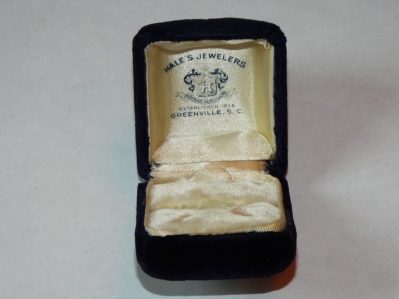
Even though it was a nail-biter of a game and Furman lost to the Citadel by a mere two points, we had a fine time and everything went just great—until evening’s end. Sitting in his car in the circular drive in front of the women’s dorm, we were saying all those nice, if awkward, things two people say when a first date is nearing its end. Then he told me he had a gift for me. Warning bells went off. They turned into ear-piercing alarm bells when he pulled out a little blue velvet box.

My heart leapt into my throat. Oh my gosh! What have I gotten myself into? I should have canceled, I should have canceled, I should have canceled!

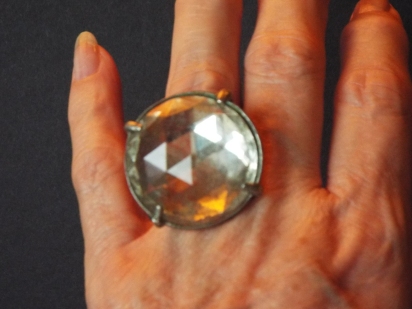
But I’d forgotten the mischief that was always dancing at the edge of those green eyes. He opened the box to show me a gaudy adjustable ring featuring a huge—and I do mean huge—chunk of glass. There was a little card inside that read, “Hope Diamond.”

I was so relieved that it didn’t occur to me to be insulted at the implication.

dscf5413

The Hope Diamond 51 years later

It was never stated, but we were a steady couple after that. My dorm sign-out sheet (now, there’s a story!) shows that I only went out with two other people following that February 12th basketball game, and both of those occasions were within the next five days. Chances are those dates had been made well in advance of my first date with the Gnome.

By early in our senior year, a future together seemed like a fait accompli. Without any formal declarations, we’d begun talking about where we’d live, children, things like that. So, when December 2nd rolled around and he took me to Ye Olde Fireplace, the swanky steak restaurant where all Furman couples went for special occasions … well, yes, this time I was thinking about a ring. Even more so when, after dinner, we headed to the top of Paris Mountain, that popular, romantic peak that overlooked the city and its night lights. Surely this was the moment.

Then came the bombshell. With a serious look on his face and an ominously somber tone in his voice, he said, “Carole, I have a confession.” Uh-oh.

“I haven’t been completely honest with you about our relationship, and I have to confess something.” This time my heart thudded into the pit of my stomach.

“Remember our first date?” he asked. “That ring I gave you—it wasn’t a real diamond.”

(Pause)

“But this one is.”

dscf5419

Yes, of course I still have the ring box!

Well, you can’t say I didn’t know what I was getting into.

The Winter(s) of My Discontent

I get along just fine with the rest of the seasons, but winter is my bugaboo. We’re in a constant tussle.

It hasn’t always been that way. For most of my life, it was a given that I’d bounce out of bed, dress, and head outside in winter just as in every other season. I never minded, barely gave it a thought. In fact, if I had a least favorite season, it wouldn’t have been winter as it is for many, but summer—often too hot for me, even in our relatively cool mountain climate. And definitely too humid.

But it’s been different for the last five winters. If you know me well, you know that timeline matches the number of years since I left the world of employment. In all this time, I still haven’t learned how to get comfortable with this season. I can’t seem to find my rhythm. It’s not that there aren’t plenty of things to do. Winter calls me to certain tasks—I just don’t always hear the voice. It’s a little too easy to curl up and forget to uncurl.

MINOLTA DIGITAL CAMERA

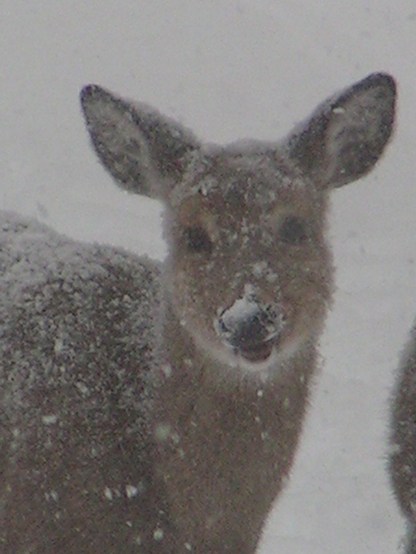
See? Even this little guy is begging to come in out of the cold.

If I don’t absolutely have to, I find that I’m disinclined to pull on snow boots and wrap myself up in a knit cap, heavy gloves, wool scarf, and a quilted coat that makes me look like the Michelin Man all for sake of stepping outdoors. Frankly, it’s hard for me to imagine anyone other than a winter sports enthusiast voluntarily making that effort only to be accosted by frigid temperatures, cold wind and sleet blasting your face while your freezing, boot-clad tootsies struggle to safely navigate ice and snow. It seems so … unnecessary. Why not just stay indoors under a nice fluffy comforter with a mug of hot chocolate and a good book?

MINOLTA DIGITAL CAMERA

Who wants to go out when it looks like this?

I think I must be part bear. Winter fills me with an urge to go primal. With days that are shorter and often grayer, my instinct to hibernate is strong. I want my comfort foods. I want my warm blankie. I want a rest after three seasons of outdoor physical labor.

Still, winter has a lot going for it: it’s a contemplative season. It’s the perfect time for all those things that were set aside when the days were longer and the sun shone brighter, those days that were filled with the frenzy of planting, growing, harvesting, and preserving the garden and the challenging, seemingly never-ending task of home renovation. No, winter’s the time for reading, writing, thinking, playing, visiting, learning a new skill, playing a musical instrument, making gifts, knitting and crocheting, solving puzzles, putting all those snapshots into albums and scrapbooks, organizing that last cabinet. The list goes on.

Here we are again, winter and I—pulling at each other’s hair, scrapping like puppies over a bone. So far, our sixth post-retirement season together is stacking up to be just like the previous five. I’ve appreciated being able to stay in bed until the sun comes up and not having to travel icy roads to get to work. It’s a joy not to be tethered to a rigid schedule of someone else’s making. But a little self-imposed structure isn’t a bad thing. December’s fine for chilling out, playing, and connecting. But December’s long gone and already January is about to join it in the land of past tense.

I’m tired of the sluggishness. I know, it’s all my fault. Winter is just being winter. I’m the one who has to make some changes. And I’m ready. So, here I am, Winter. Ready to embrace you and your chilly rhythms. Ready to pull on my bulky coat and snow boots and get myself outside every single day. A brisk walk in the bracing cold should give me the energy to get a little cleaning and organizing done before starting in on writing or some other mental floss, followed by an afternoon break for cooking up something delectable. Sounds like a plan.

MINOLTA DIGITAL CAMERA

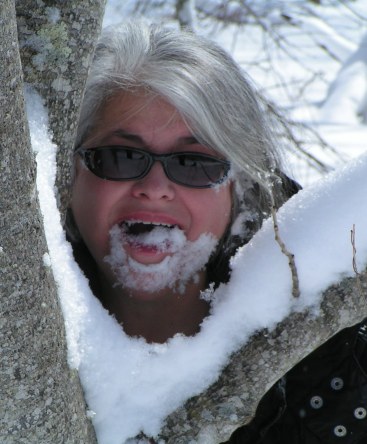
Me, embracing winter!

When I feel keyed in to Nature’s patterns, I’m more whole—and more wholly in the moment. I think we’re meant to slow down a bit in winter, but not to shut down. Surely, I can get outside and have my hot chocolate, too.

Just a Few Reasons I Love Life on the Diagonal

MINOLTA DIGITAL CAMERA

Bright meteor showers

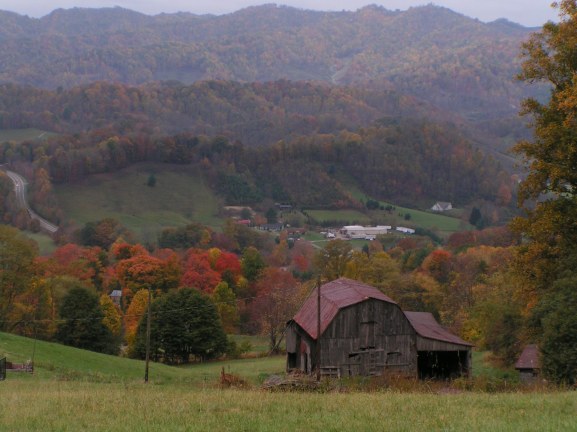
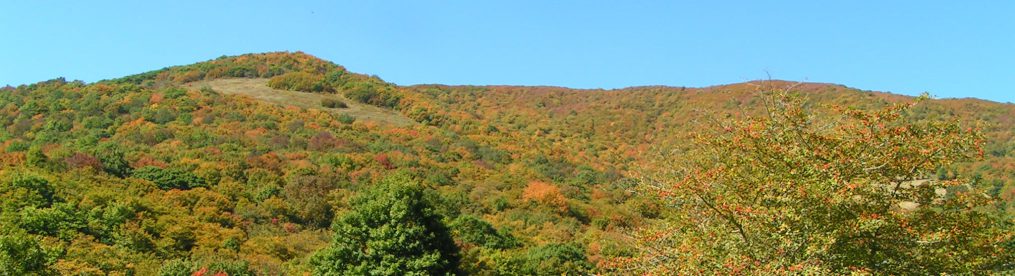
Brilliant fall colors

Seas of valley fog with mountain tops peeking out like islands

Water tumbling over rocks in roadside creeks

Being able to live without curtains or blinds, waking up to the natural rhythms of light

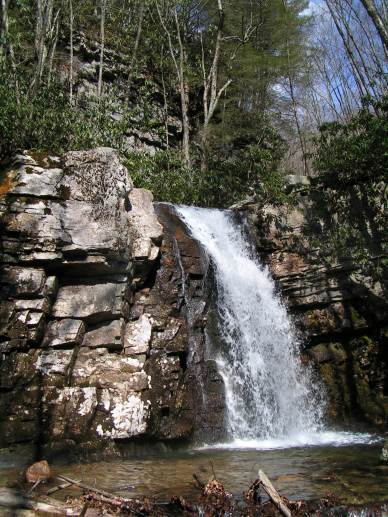
Waterfalls

MINOLTA DIGITAL CAMERA

Cloud shadows drifting across the mountainsides, creating an ever-changing kaleidoscope of light and shadow

Magnificent displays of lightning with surround sound

Fog drifting in the house through open windows and doors

Wild blackberries, blueberries, elderberries, and strawberries

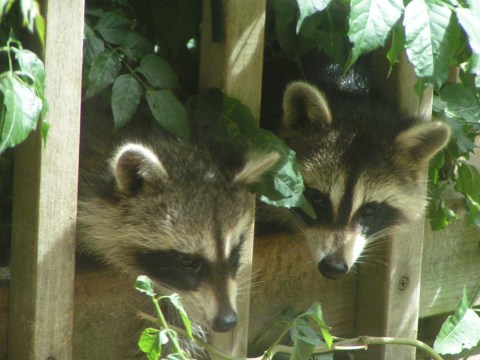
Raccoons, groundhogs, possums, skunks, chipmunks, bears, and bobcats

MINOLTA DIGITAL CAMERA

Toads with golden eyes

Making echoes

Quiet walks with time and room to think

Neighbors willing to help and willing to leave you alone

Ginseng, wild ginger, trillium, mayapples, jack-in-the-pulpits, ladyslippers, evening primrose

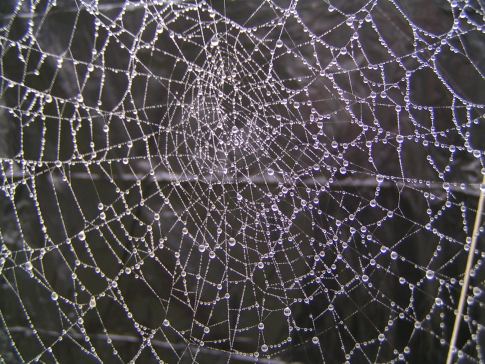
Slipping outside in the early morning to see dew-covered spiderwebs on fences, trees, and grass

MINOLTA DIGITAL CAMERA


Origins of the Gnome and Crone

Once upon a time in a land far away, I was the youngest. Almost always. (Except at home, where as the oldest I was gleefully “bossy”—though if I’d been a boy, I might instead have been dubbed a leader.) In elementary school most of my classmates celebrated their birthdays during the school year. They advanced in age before my eyes while I had to wait until summer to age one more eagerly anticipated year. Then came the sixth grade.

In October of that fateful year, the Soviet Union launched its Sputnik satellite. The cold war was in its heyday, and the rush to beat the Russians was on. Across the state, we sixth-graders were given a test. The goal: to identify students who could successfully accelerate our learning by scrunching our seventh and eighth grade studies into one year. If we graduated a year early, maybe we’d be more likely to go on to college and then to graduate school where we’d discover the next great thing to make our country the greatest, to beat our worst global enemies.

Overnight I became even younger than my peers, sometimes close to two years younger. All through high school, all through college, and in the early years of my adult working life, I was the baby. I got used to it.

As time went on, I began to notice something: my colleagues were getting younger and younger. So were my doctors, my dentists, my elected officials—and just about everyone else. Meanwhile, I was getting older. Old enough to be their mother.

And so it went. As I neared the end of a nearly thirty-five-year career in the field of workforce development, I was part of what, in the world of technology, is called a legacy system. My colleagues across the state looked around and realized I was now one of the few who held the vast array of institutional knowledge about our field. I knew its history, its various iterations, and the virtually forgotten rationale for various decisions and regulations that had been implemented over the years. I knew the whos,  the whats, the whens, wheres, whys, and hows. When I was gone,  a whole lot of knowledge would go with  me. Some of my professional friends gave me a new moniker. I became the crone. In its best tradition, a crone is a Wise Woman. I embraced my new persona.

In the last weeks of my career, I was surprised by those same people with a retirement celebration. Ron (he’s my guy) was there, too. In the course of conversation, he mentioned that he thought he looked like a gnome. Height has never been his strong suit, and degenerative discs along with the effects of spinal stenosis have shortened his vertical dimension by several additional inches. And his eyes do crink with a twinkle that matches his ever present mischievous smile.

So there you have it. It was a tiny leap to brand ourselves as the gnome and crone.  We think it fits us. What do you think?