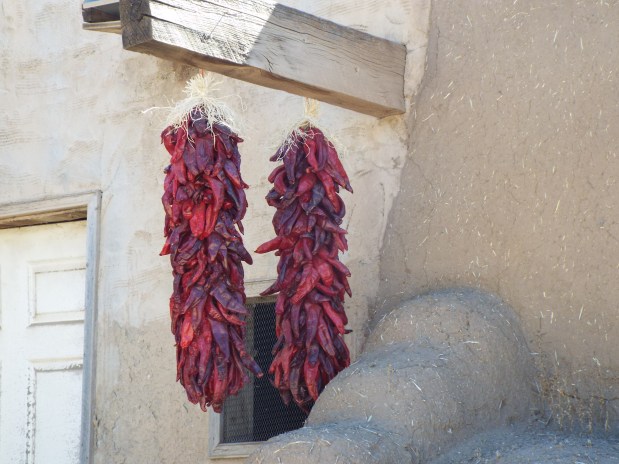
Our Grand Road Trip, Part 4: Colorado to Arkansas

Our Grand Road Trip, Part 4: Colorado to Arkansas

I’m not sure our hearts could have taken much more of Wyoming’s wild wonders, so it’s a good thing our next day’s travel took us to Colorado, where we were greeted with this sign:
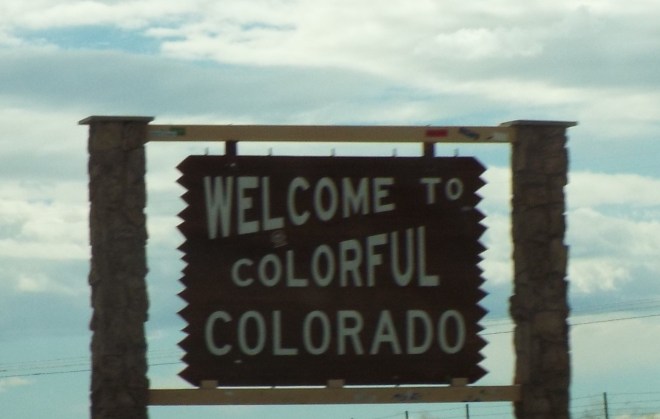
I think maybe it’s a double entendre.

We’d spent a little time in Denver before, so this time we only drove through on our way to Pueblo. I’d had my heart set on seeing Pueblo for one reason: the Arkansas River. I knew we’d be crossing that river later in the state where you’d expect it to be—Arkansas—and it seemed so right to see it here in Colorado, too, on the very same trip. (It doesn’t take much to make me happy.) As soon as we checked in to our airbnb, we headed downtown to Pueblo’s Historic Arkansas Riverwalk. I’m glad we did.

The 32-acre waterfront area is sophisticated, yet welcoming. It’s artistic and calming. Just the place for a late afternoon stroll.

The next day we made it to Taos, New Mexico. Along the way, we were stunned by the sight of Blanca Peak. Here we were at a flat-as-could-be 7,000′ elevation, and almost right next to us, soaring out of  the earth like a phoenix, was this mountain that rose to another 7,000+ feet. Just like its name, it was white. We were mesmerized. And we may well have missed it had we not missed our turn. More serendipity.

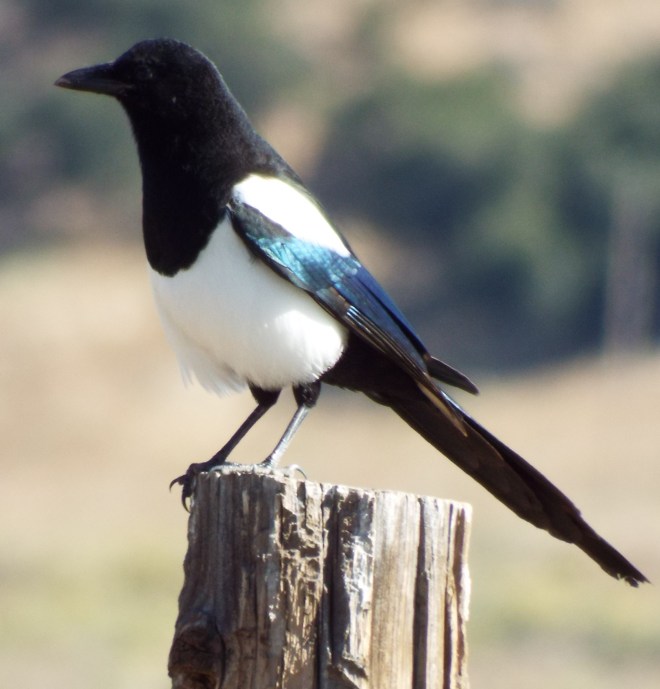
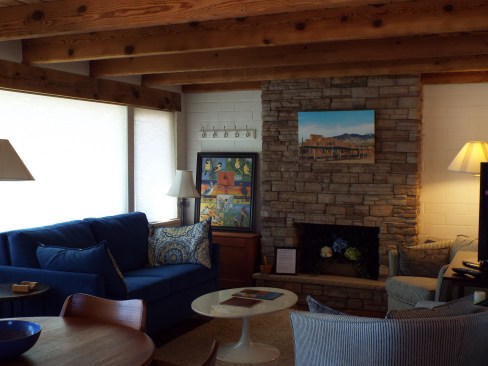
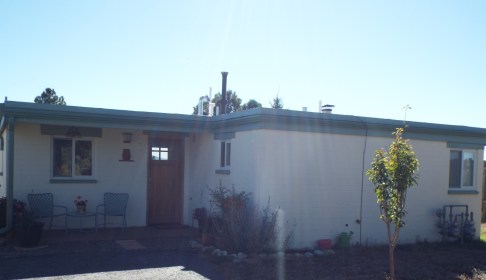
While we were admiring the majestic mountain, this incredibly beautiful magpie gave us an audience. Magpies had been flirting with us since South Dakota, but were never still long enough for us to get a good look at their striking iridescence. We don’t have magpies at home and we reveled in the opportunity to observe one up close.We stayed just outside of Taos in another airbnb, appropriately enough a casita. It would have been an ideal place to chill out for a few days with a good book and a few glasses of our favorite beverage had we not wanted to see what Taos had to offer.Courtesy of our airbnb host, we were in for another bit of serendipity (by this time, we were almost expecting such moments)—the Rio Grande River and Gorge. We had no idea the Rio Grande was this far north. It was an awesome sight.
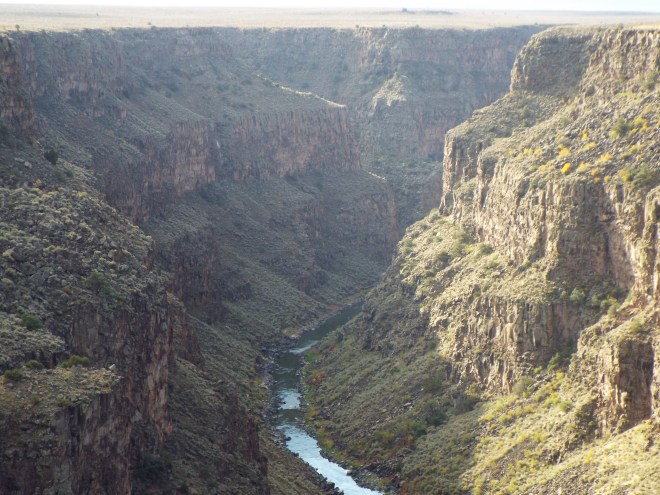
A chilling one, too.

Ten of these call boxes were situated strategically along the length of the bridge.

And then this happened: a couple approached us to take their picture. Turns out this is where he’d proposed a year ago, shortly before she was in a serious accident causing a brain injury and memory loss. They were on a mission to relive and record those lost moments. We clicked the camera’s button as he knelt on one knee above that vast canyon. They were deliriously happy. After we’d walked off the bridge to get a view of it from some distance away, we could still hear her laughter. Lots of warm fuzzies that day.

We knew Taos began life as an artists’ colony and remains a haven for artists, but we were surprised to discover how tiny it is. With a population of 5716, it’s even smaller than Douglas, WY, where we’d been just two days before. Naturally, the shops are heavily focused on art, and outdoor sculptures are common. But in my view, Taos’ best feature is its architecture. A big fan of Pueblo/Spanish/Mission architecture, I was excited to see so much of it.  It must be a challenge for local leaders to hold true to the town’s origins and avoid turning it into a garish strip, like some places I know. They even have an ordinance to protect the night sky. Good for them.

The post office is adobe, banks and grocery stores are adobe, the churches are adobe.

Even McDonald’s is adobe.

We left Taos and New Mexico for the panhandle of Texas and a little stretch of Route 66. I’m a child of the ’60s and a fan of that decade’s TV series featuring the iconic highway, so I had to get me some Route 66 kicks!

Old Route 66, what little there remains of it, is filled with all sorts of quirky kitschiness. Our destination was Cadillac Ranch, just outside of Amarillo. What a hoot!

We especially liked this:As we left Cadillac Ranch, we decided to travel a few miles farther on Route 66. For the most part desolated and decaying, it still has a few unexpected treats, one of which is the Devil’s Rope Museum in McLean, TX. We had a little time; we decided to stop. As we walked up the steps, a woman leaving looked at us and said, “It’s surprisingly interesting.” She was right. The museum (free, by the way) features collections from barbed wire collectors (yes, that’s a thing all across the country, as well as everything related to barbed wire—tools, salesman samples, sculpture, and a library filled with patent information.
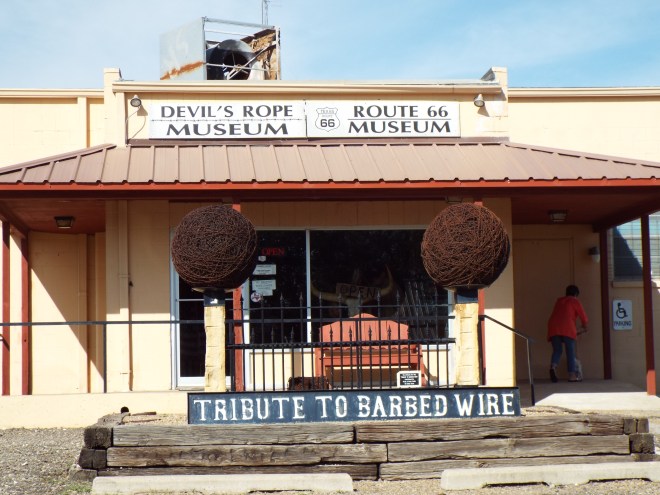
In addition, the museum displays Route 66 memorabilia,

Who’s old enough to remember these?

and it contains a poignant Dust Bowl photo exhibit. It’s worth a stop. Really.

In Oklahoma, we stopped in Elk City to visit a superb museum complex: a Blacksmith Museum, the Old Town Museum, the National Route 66 Museum,

and the Farm and Ranch Museum. All for one low price—just $5.00 for adults. Well worth it.
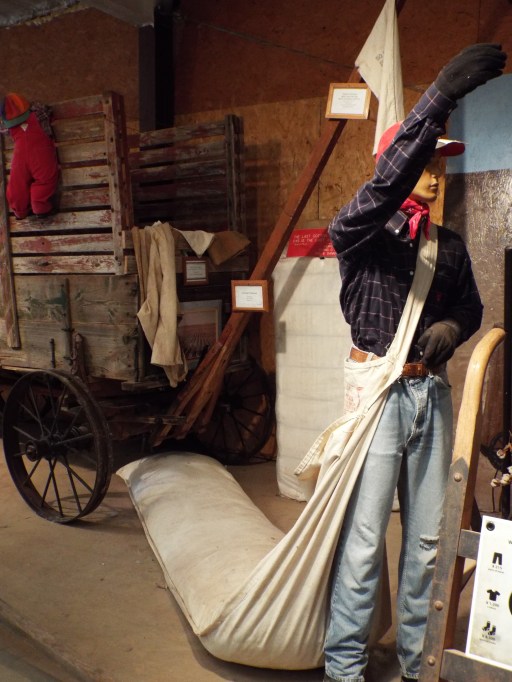
This exhibit put me in mind of my father’s boyhood. His father’s too. (You can read all about it in my book, Boyhood Daze and Other Stories: Growing Up Happy During the Great Depression.

After twenty-some days on the road  and home getting closer with every mile, it was hard to think of the remainder of our trip as anything more than the fastest way to get home. We still had three days to go, though, and we wanted to make the best of it. We’d planned one last big stop: Little Rock, Arkansas. After all, we had to get another look at the Arkansas River.

And we got to visit our first Presidential Library. The Clinton Presidential Library and Museum kept us fascinated for hours. We decided it would be a good idea to visit as many of these libraries (all privately funded, by the way) as possible. Apparently, lots of people do that; the gift shop sold “passports” with space for stamps from each library one visits.

We zipped through Tennessee. Though there are lots of things we’ve not yet seen and done in our neighboring state, it’s just a border away and easy enough to visit another time. As the landscape grew more familiar, we became even more anxious to get home, to see how our garden had fared during our absence. Surprisingly well, it turned out. We still had crops to harvest.

We learned so much on our big fall adventure. Perhaps the biggest lesson of all was that serendipity is what it’s all about. My advice? Give yourself some extra time and space when you travel. Keep your eyes open. Look for the little things, the unexpected. You never know what surprises will be waiting. Savor it all.

(Want to read about our road trip from the beginning? Start here. And stay tuned for episodes detailing our time in National Parks and more.

Our Grand Road Trip, Part Three: Wyoming

Our Grand Road Trip, Part Three: Wyoming

Oh, Wyoming! We had no idea what staggering wonders you hold within your borders. Yes, there are the Grand Tetons. Yes, there is Yellowstone (whose size alone is utterly incomprehensible—and which will get more coverage in another post, I promise). But there is so much more.

We left Yellowstone at deep dusk with fifty miles to go before we reached Cody, our destination for the night.

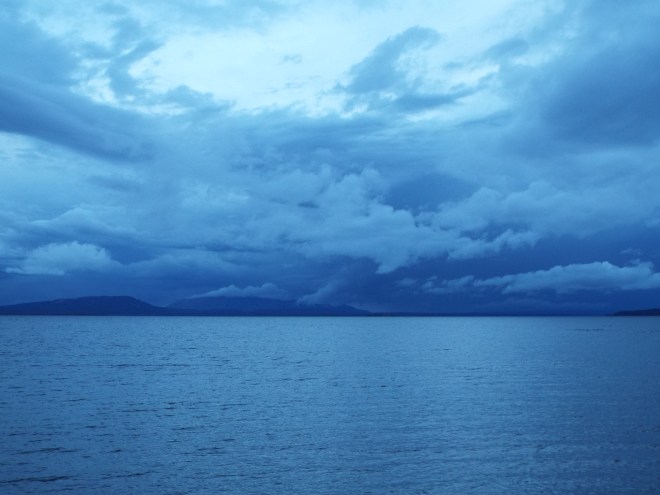
Yellowstone Lake at dusk

We didn’t know Cody was named for Buffalo Bill or that he was its founder back in 1896. It was just a convenient stopping point. Neither did we know the road we were traveling has been called the fifty most beautiful miles in America—by none other than Teddy Roosevelt. We’ll have to take his word for it; we could barely see a thing in the foggy dark. But we saw enough to believe that a daytime trip through the wilderness of the Shoshone National Forest in the Wapiti Valley with the Shoshone River running alongside the road might be almost too beautiful to bear.

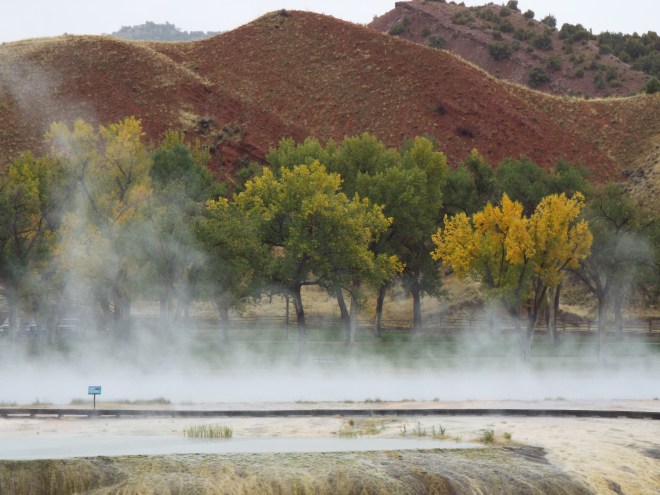
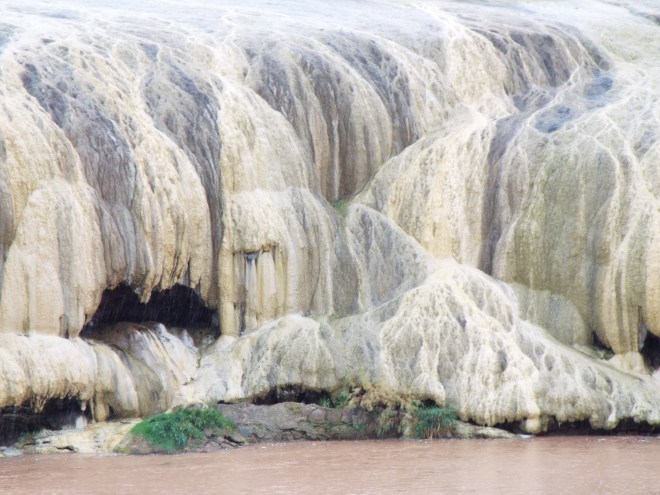
In the morning light, we realized Cody itself might have given us a fun day of adventure, but we had many miles to go before we could rest our heads on pillows that night—Wyoming is one big state! Along the way we passed Thermopolis, which lays claim to the world’s largest mineral hot springs. Wish we’d had time for one of its promised free soaks, courtesy of Hot Springs State Park.

Steam rising from Thermopolis’ hot springs

Hot Springs mineral deposits.

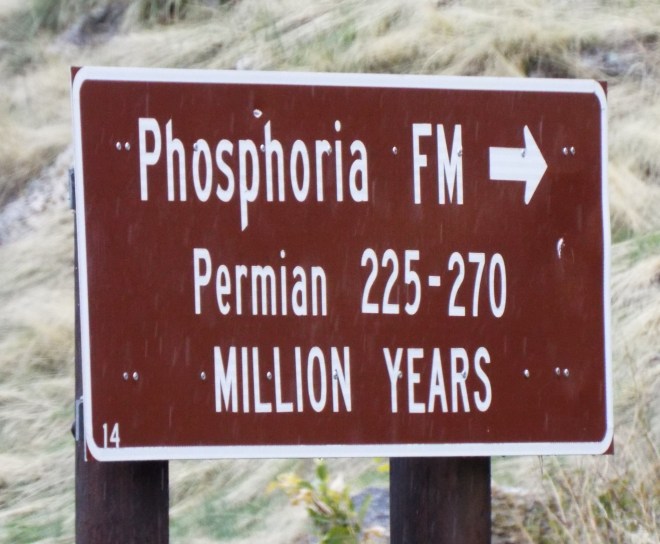
And then it happened. We were already in it before we realized we were actually inside a canyon, heading for its floor. We were floored as we drove into and out of Wind River Canyon, which was full of signs like this first one we saw, each pointing out a little slice of geologic time.

Phosphoria Formation from the Permian Period

These signs accompanied us all the way to the canyon floor’s Precambrian era, 2500 feet deep and 2.5 to 3 billion years into prehistory. We were time traveling, y’all!

And another cool thing: as we entered the canyon from its north end, the river’s name changed—from the Wind to the Bighorn. The spot where the change occurs has its own name: Wedding of the Waters. Don’t you just love it? The river, of course, flows through the bottom of the canyon walls. When we entered the canyon from above, it was far, far below us. As we descended, it seemed to rise until we were almost level with it. The canyon with its high rock walls, rapidly flowing river, and railroad running on a narrow ledge between the river and the canyon wall caught us completely off guard. And it became one of the two biggest highlights (other than family, of course) of our entire trip. All in thirty-four miles. They say you can drive it in forty minutes if you don’t stop. But of course we did. We wanted to savor it—both the scenery and the sheer awesomeness of the experience.
Honestly, I don’t know how we ever got to our next destination, the little town of Douglas, population 6,120. Just as with Cody, we’d planned to spend the night in Douglas only because the timing was right to get us where we wanted to go the next day. But Douglas was full of its own treats.

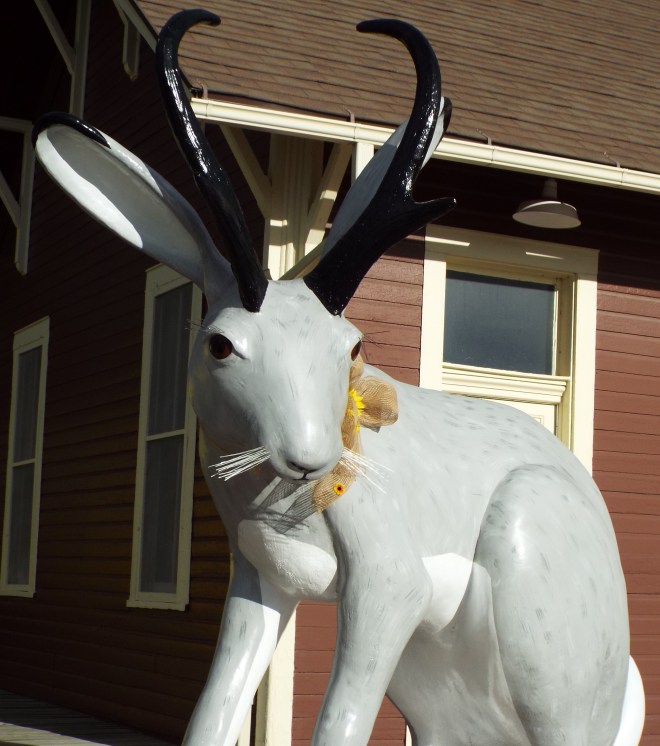
Douglas: home of the jackalope. You know, that mythical half-rabbit, half antelope creature you grew up hearing about? Well, Douglas is where it all started. Legends abound. Like its ability to mimic human voices, or that it mates only when lightning flashes, or its fondness for whiskey. The Chamber of Commerce even dispenses licenses for hunting the rare creature, legal only from midnight to 2:00 am on June 31st. Douglas is full of history. Established in 1867 when Fort Fetterman was built just ten miles away, named for Stephen A. Douglas (Lincoln’s presidential opponent),  a World War II prisoner of war camp that held 5,000 German and Italian soldiers, and home to both the Wyoming Pioneer Memorial Museum and the Wyoming State Fair.Our Douglas lodging was the charming Hotel LaBonte, currently on the National Register of Historic Places. It’s hard not to let your imagination run wild when you stand in the lobby. The place reeks of ranchers, cattle barons, and railroad tycoons.Just as it was closing time, we dropped in on what may be the world’s friendliest Chamber of Commerce where the helpful staff told us about what turned out to be the other biggest highlight of our trip: the Oregon Trail Ruts and Register Cliff, part of the Oregon National Historic Trail. We’d been planning on turning in early, but it didn’t take a nanosecond for us to change our plans and take off for Guernsey, just twenty miles away.

The whole of the Oregon Trail was over 2,000 miles long, beginning in Independence, Missouri, and ending in Oregon’s Willamette Valley. From there, pioneers chose between settling down or spreading out, going either north or south. Most heavily used from 1841-1869, almost half a million people traveled it.

The routes varied somewhat from one wagon train to another, but not here. Because of the topography, almost all of the nearly 500,000 westward-heading folks traveled this very same path near Guernsey with their horses and wagons or their handcarts. Not just to Oregon—this passage was part of the Mormon, California, and Santa Fe Trails, too. In places, their feet, wheels, and hooves wore the sandstone rock down to a depth of five or six feet, still visible today. Imagine!

See the top of these rocks? That’s the level the first pioneers traveled. Four hundred thousand plus people with their horses and wagons and carts wore the rock down this much.

Just a couple of miles away is a place called Register Cliff. Think of it as a pioneer version of a hotel and its accompanying ledger. The sandstone cliff, in those times a day’s journey from their previous night’s stay at Fort Laramie, provided some degree of shelter as well as a place where people could chisel their names and date of arrival. Maybe it was a message to relatives and friends coming in a later caravan. Or maybe it was a way of recording for the ages, “Look, I made it this far!”
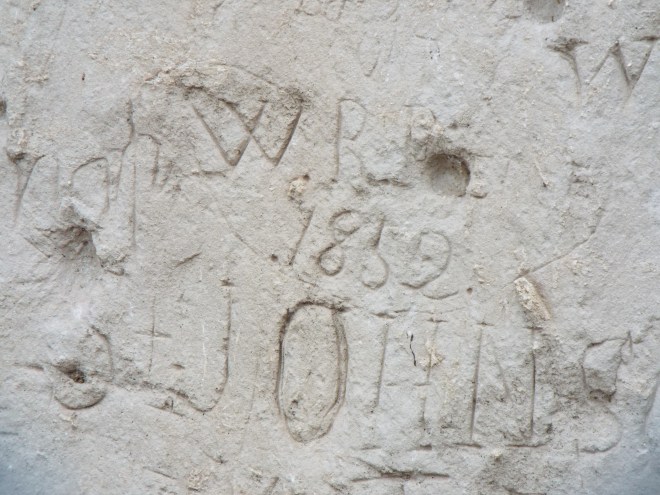
What were their fates?

Now, I’ve just got to take a minute here to tell you this was a deeply spiritual experience for me. I felt that I was on sacred ground. Not that it’s personal—my ancestors traveled no farther west than east Tennessee in their search for land and a brighter tomorrow. But they did cross the Atlantic in dangerously rickety boats to face the unknown, knowing they’d never see beloved faces and familiar places again. And some of them did trek across the mountains from Pennsylvania to Virginia to Tennessee to western North Carolina in a time when roads were scarce and hazards were plenty. That particular history and struggle is part of me and I feel it deep in the core of my being. So, seeing these ruts and the names of some of the people who made them moved me.

The Oregon Ruts and Register Cliff touched me in a way I cannot express. If you get a chance, you really should see them. Give yourself time to study the signage, time to examine the names faintly etched into the rock. Time to “see” these people. Time to think on things. Things bigger than yourself. Here is a place where you can immerse yourself in the story, a story of heroism and hope. And a place where you can actually touch history.

Oh, by the way, those clouds that were missing earlier in our trip? We found ’em.Wyoming, you stirred my soul and stole my heart.
(More of Our Grand Road Trip still to come. Stay tuned.  Want to read about our trip from the beginning? Start here.)

More about Trees

More about Trees

I’ve been thinking about trees a lot lately. For all their beauty, grandeur, and life-sustaining qualities for us humans, the thing that most impresses me about these remarkable specimens is their sheer tenacity.

Nature confounds and amazes me. Plants can be so finicky, demanding just the right kind of soil, the right number of daylight hours, the right amount of water. But what’s right for one tree is wrong for another. Magnolias prefer acid soil while maples do just fine in alkaline. Willows like it wet; palms prefer dry. Some like it hot; others are happy in cooler climates.

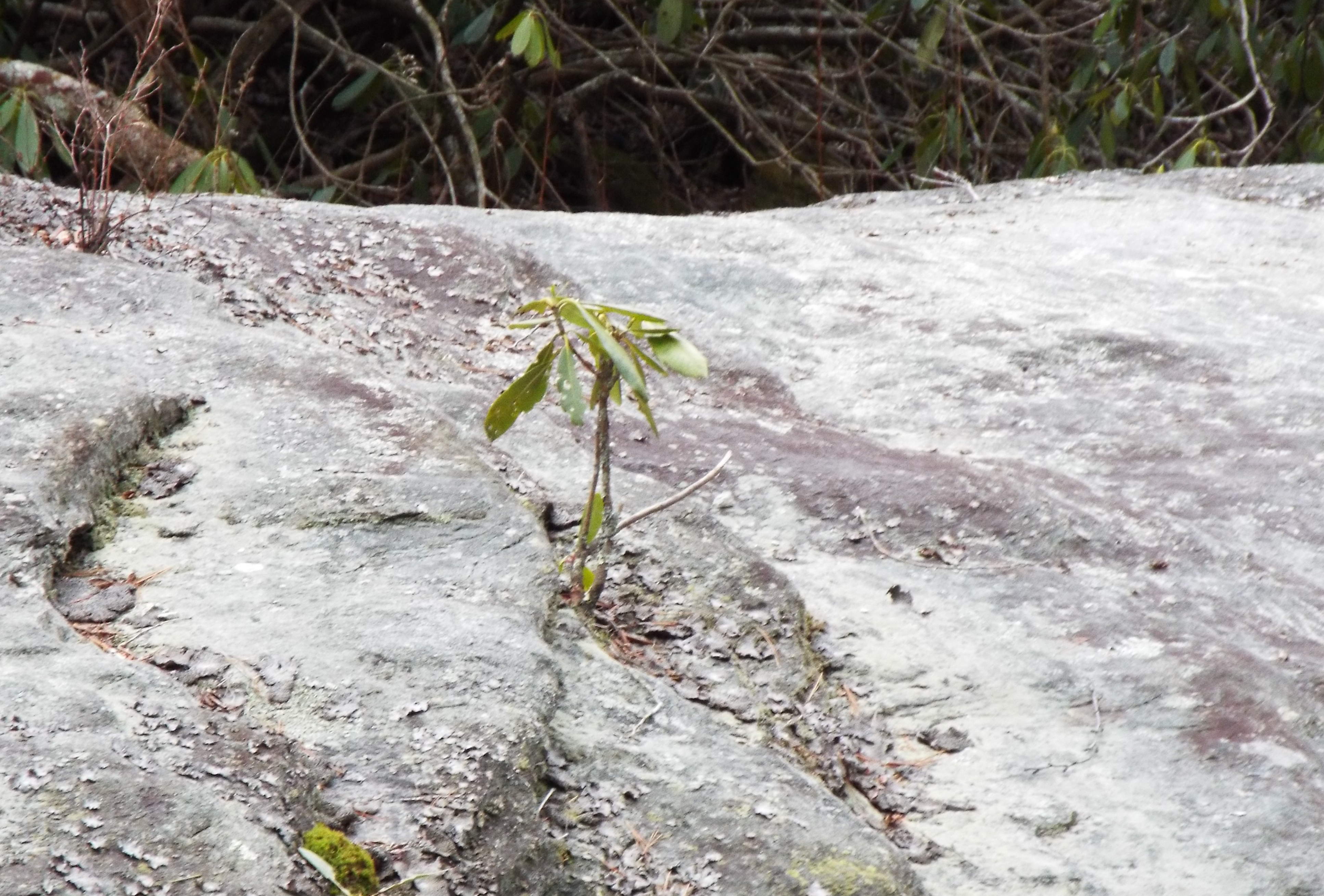
But the one thing all trees need is roots, and roots need soil. Yet, I’ve seen trees thriving in the most inhospitable places, defying all the odds. Like this baby rhododendron that has somehow taken root on a boulder.

dscf5462.jpg

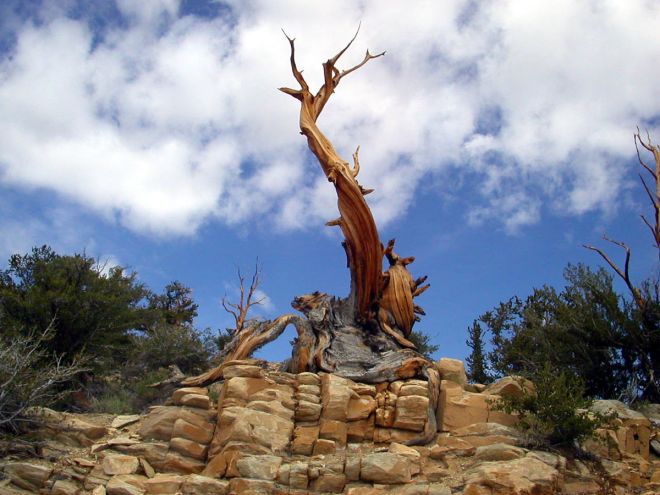
And look at this bristlecone. Maybe when it was a wee thing five thousand years ago, the rock it now stands on was rich, loamy soil, but that hasn’t been true for ages. Yet the tree keeps on. (Even though it doesn’t look it, it’s still alive).

oldest-bristlecone-public-domain-mark-wilson

Then there are these trees clinging to the side of a rock cliff, almost as if they’re suspended in mid-air. How do they do it? Really, they shouldn’t survive in these conditions. Nevertheless, they persist.

dscf3615

Life is complicated, and we humans are often plagued by complex physical and psychological conditions. Sometimes it’s not enough to say, “Just hang in there.” Still, when times are tough, it seems we could take a lesson from trees.

Trees

Trees

“I think that I shall never see a poem as lovely as a tree.” —Joyce Kilmer, “Trees”

It may not the be one of the world’s great poems, but the sentiment rings true. Poems are just . . . well, poems. But trees! Trees are magnificent. The oldest known non-clonal living tree is a Great Basin bristlecone pine. At more tan 5,000 years old, it resides in California.

oldest-bristlecone-public-domain-mark-wilson

It may not look it, but this 5,000 year-old bristlecone is still living. (Public domain photo by Mark Wilson.)

As old as many bristlecones are, they’re not all that tall, ranging from 16 to 49 feet. The award for tallest tree goes to one of those gargantuan redwoods we grew up learning about. There’s a Coast Redwood, also in California, that’s just twenty feet shy of being 400 feet tall.

Then there’s the General Sherman giant sequoia in—you guessed it—California, the largest known living tree by volume, at more than 52,000 cubic feet. A wild fig tree located in Mpumalanga, South Africa has roots that go down 400 feet—that’s a deeper root system than the above-ground height of the General Sherman.

Honors for the tree with the largest diameter (38.1 feet) go to El Arbol del Tule, a cypress in Oaxaca, Mexico. Its circumference is a whopping 137+ feet. It would take about 25 adults standing in a circle, arms outstretched, fingertips touching, to reach around that tree. To put that in perspective, it would only take 18 of those same people to encircle our home, with its 24 x 26´ footprint.

About those clonal trees. If you’re like me, you’ve never heard of clonal and non-clonal trees, so here’s a lesson in a nutshell, so to speak. A non-clonal tree is an individual tree, just like you and I are individual people. A clonal tree, though, is a colony of genetically identical trees. The individual trees originate vegetatively from a single ancestor instead of sexually. So, when we talk about the age of a clonal colony, we’re really talking about the root system. Since the entire colony is part of a single root system, the whole is considered in determining age and weight. Pando, a colony of single Quaking Aspen located in Utah’s Fishlake National Forest, is at least 80,000 years old (by some estimates as much as 1,000,000 years old) and weighs an estimated 6,000 tons, making it both the world’s oldest known clonal tree and its heaviest known organism.

pando-public-domain

Pondo Quaking Aspen colony, Fishlake National Forest, Utah (Public domain photo, US Government)

These are the exceptions, of course, and there’s more to trees than their age or size or weight. Trees provide shelter and food. They cool us with their shade. When they’re downed, they provide heat in stoves and fireplaces. And let’s not forget that they absorb carbon dioxide and provide life-sustaining oxygen for us humans. Remember those 18 people surrounding my home? An acre of trees produces enough oxygen to let them breathe for an entire year.

See? I wasn’t exaggerating when I said trees are magnificent. Yes, poems are just words. Trees are the real poetry.

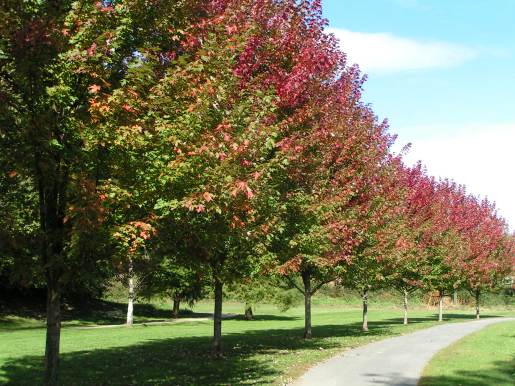
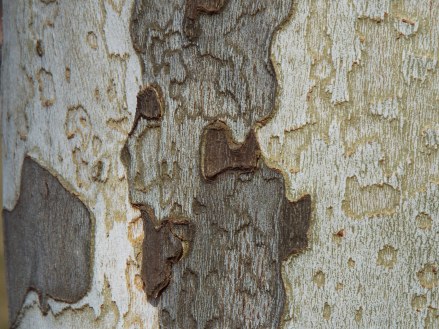
Here’s some tree poetry in photographs (all photos taken by the Gnome or the Crone).

fall-tree

MINOLTA DIGITAL CAMERA

dscf4257

MINOLTA DIGITAL CAMERAdscf3057


dscf4048

img003_edited_2

MINOLTA DIGITAL CAMERA

dscf0366

(Note: The statistics referenced above came various crosschecked online sources. Occasionally, there’s some contradictory information out there, but the point remains the same.)

A Love Story: The Beginning

The place: Furman University dining hall

The time: February 1, 1965, sophomore year; registration day for second semester classes

The scene: a group of friends sharing a long table at lunch. I’m facing the wall of glass that looks out onto the lake and its iconic swans.

My friend and future roommate has just come rushing to the table, practically dragging a guy we’d never seen before along with her. Jan wants to introduce us to this fellow she’s just discovered walking across campus. They are old childhood buddies. She’s bursting with excitement to have found him here, he having just transferred from the University of South Carolina. She’s eager for him to make fast friends and happily settle in to his new life as a Furman student.

* * *

Yes, this was the first time I laid eyes on The Gnome. His eyes twinkled and even then his lips curved into that amiably mischievous smile he’s so well known for. For the next year, our paths crossed in classroom building hallways or in the student center, where we usually stopped for a lighthearted chat. Sometimes we visited in the dining hall when he spotted our little group at a table. How did he approach us? Patty was the key. Whenever he saw Patty, he made his way over to give her a pat on the head saying something like, “Pat, pat, Patty.” She always smiled, but, oh, that little joke must have worn thin.

We’d known each other just over a year when he finally asked me out. As soon as word leaked that we we had a date, Jan and Martha (another of his childhood friends), both so protective of his feelings, started in on me.

“Don’t you hurt him.”

“He’s a sensitive soul.”

“You’d better not break his heart.”

Or words to that effect.

And here I thought it was just a date, a mere basketball game. They had me freaked—I nearly called it off. But I stuck it out. Besides, what was with them? He didn’t strike me as being particularly delicate, and, as far as I knew, I’d never done any heart breaking.

Even though it was a nail-biter of a game and Furman lost to the Citadel by a mere two points, we had a fine time and everything went just great—until evening’s end. Sitting in his car in the circular drive in front of the women’s dorm, we were saying all those nice, if awkward, things two people say when a first date is nearing its end. Then he told me he had a gift for me. Warning bells went off. They turned into ear-piercing alarm bells when he pulled out a little blue velvet box.

My heart leapt into my throat. Oh my gosh! What have I gotten myself into? I should have canceled, I should have canceled, I should have canceled!

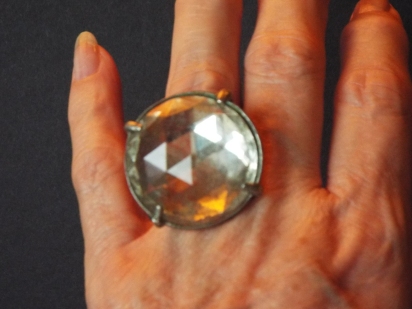
But I’d forgotten the mischief that was always dancing at the edge of those green eyes. He opened the box to show me a gaudy adjustable ring featuring a huge—and I do mean huge—chunk of glass. There was a little card inside that read, “Hope Diamond.”

I was so relieved that it didn’t occur to me to be insulted at the implication.

dscf5413

The Hope Diamond 51 years later

It was never stated, but we were a steady couple after that. My dorm sign-out sheet (now, there’s a story!) shows that I only went out with two other people following that February 12th basketball game, and both of those occasions were within the next five days. Chances are those dates had been made well in advance of my first date with the Gnome.

By early in our senior year, a future together seemed like a fait accompli. Without any formal declarations, we’d begun talking about where we’d live, children, things like that. So, when December 2nd rolled around and he took me to Ye Olde Fireplace, the swanky steak restaurant where all Furman couples went for special occasions … well, yes, this time I was thinking about a ring. Even more so when, after dinner, we headed to the top of Paris Mountain, that popular, romantic peak that overlooked the city and its night lights. Surely this was the moment.

Then came the bombshell. With a serious look on his face and an ominously somber tone in his voice, he said, “Carole, I have a confession.” Uh-oh.

“I haven’t been completely honest with you about our relationship, and I have to confess something.” This time my heart thudded into the pit of my stomach.

“Remember our first date?” he asked. “That ring I gave you—it wasn’t a real diamond.”

(Pause)

“But this one is.”

dscf5419

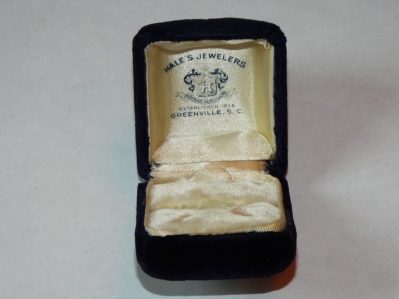
Yes, of course I still have the ring box!

Well, you can’t say I didn’t know what I was getting into.

One Word

Have you heard of it—the One Word movement? It’s been around for awhile now. The idea is to choose just one word that represents you or the way you’d like to be and then to bring a laser focus to that word, that overarching goal, throughout the year.

It’s an alternative to the typical New Year’s resolutions. The One Word concept feels friendlier than resolutions. And more concise. It’s about positivity instead of the negative-based self recriminations inherent in typical resolutions: lose weight, be nicer, make better grades, be a better parent, eat less candy—the kind of thing that suggests you haven’t been doing such a great job of being yourself.

The movement takes many forms. Google it and you’ll find One Word sites ranging from faith-based (“God wants to use one word to shape your decisions”) to frivolous (“a fun take on New Year’s resolutions”). Most are trying to sell you something, often books: religion, get rich quick, self-improvement. And more than a few people claim credit for thinking the whole thing up in the first place.

But the idea has merit, I think. It’s a form of commitment that builds on the foundation of living intentionally. It lets you zero in on one big concept that matters to you. Your choice. A one word motto. And if you feel you’ve maxed out your word’s potential, there’s nothing to say you can’t tack on a new one if that’s what you want. Or change it if it’s not working out for some reason or other.

As a word person, I can’t help but be attracted to the idea (though picking just one word is nigh unto impossible for this word lover). My last post, The Winter(s) of My Discontent, may have sounded an awfully lot like a resolution, but I think I’ve found the perfect word to sum up where I want to head this year, and it feels better than a resolution. More inclusive, more opportunities, more interesting. (Patience, readers–I’ll get to my word momentarily.)

There are lots of words to choose from. Here are a just a few I came across on some of those websites I checked out: joy, more, balance, silence, truth, expand, create, appreciate, strength, gratitude, simplicity, trust, release, delight, heal, adventure. See the possibilities?

I got called out once for not following the One Word rules to the letter (based on one of the many One Word websites’ directive). But I don’t work that way. I don’t automatically follow someone else’s construct. My approach is a bit more casual. I see an idea, I adapt it. You can, too. Go ahead. You have my permission. (Wink emoticon)

My one word for 2017 is move. It’s so simple it’s elegant. It can mean so many things: change your address or your job or your relationship—no, I’m not doing any of those things, thank you very much. Or it can mean go, change position, exercise, progress, alter your course.

MINOLTA DIGITAL CAMERA

I’m moving, right?

Move is the perfect word for me right now. An action word in a season where I’ve gotten sort of stuck, both physically and psychologically. Maybe come spring, that veritable season of action, I’ll be ready for a new word. What do you think? Do you have a word you’d like to serve as your beacon this year? I’d love for you to share in a comment below. It’s not too late—the year’s barely gotten started.

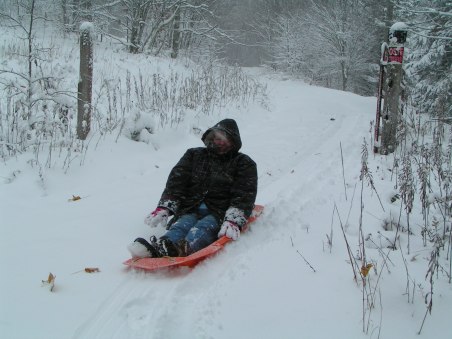
(p.s.  Already, winter is testing my resolve. Today welcomed me with almost six inches of snow, temperatures in the low teens, and big winds. But I’m up for it. Yep, I grabbed my big winter coat and pulled on my snow boots and headed for the big outdoors before coming back inside to move in completely different kinds of ways.)

The Winter(s) of My Discontent

I get along just fine with the rest of the seasons, but winter is my bugaboo. We’re in a constant tussle.

It hasn’t always been that way. For most of my life, it was a given that I’d bounce out of bed, dress, and head outside in winter just as in every other season. I never minded, barely gave it a thought. In fact, if I had a least favorite season, it wouldn’t have been winter as it is for many, but summer—often too hot for me, even in our relatively cool mountain climate. And definitely too humid.

But it’s been different for the last five winters. If you know me well, you know that timeline matches the number of years since I left the world of employment. In all this time, I still haven’t learned how to get comfortable with this season. I can’t seem to find my rhythm. It’s not that there aren’t plenty of things to do. Winter calls me to certain tasks—I just don’t always hear the voice. It’s a little too easy to curl up and forget to uncurl.

MINOLTA DIGITAL CAMERA

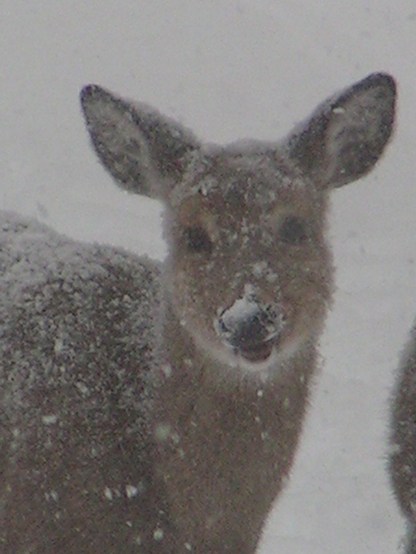
See? Even this little guy is begging to come in out of the cold.

If I don’t absolutely have to, I find that I’m disinclined to pull on snow boots and wrap myself up in a knit cap, heavy gloves, wool scarf, and a quilted coat that makes me look like the Michelin Man all for sake of stepping outdoors. Frankly, it’s hard for me to imagine anyone other than a winter sports enthusiast voluntarily making that effort only to be accosted by frigid temperatures, cold wind and sleet blasting your face while your freezing, boot-clad tootsies struggle to safely navigate ice and snow. It seems so … unnecessary. Why not just stay indoors under a nice fluffy comforter with a mug of hot chocolate and a good book?

MINOLTA DIGITAL CAMERA

Who wants to go out when it looks like this?

I think I must be part bear. Winter fills me with an urge to go primal. With days that are shorter and often grayer, my instinct to hibernate is strong. I want my comfort foods. I want my warm blankie. I want a rest after three seasons of outdoor physical labor.

Still, winter has a lot going for it: it’s a contemplative season. It’s the perfect time for all those things that were set aside when the days were longer and the sun shone brighter, those days that were filled with the frenzy of planting, growing, harvesting, and preserving the garden and the challenging, seemingly never-ending task of home renovation. No, winter’s the time for reading, writing, thinking, playing, visiting, learning a new skill, playing a musical instrument, making gifts, knitting and crocheting, solving puzzles, putting all those snapshots into albums and scrapbooks, organizing that last cabinet. The list goes on.

Here we are again, winter and I—pulling at each other’s hair, scrapping like puppies over a bone. So far, our sixth post-retirement season together is stacking up to be just like the previous five. I’ve appreciated being able to stay in bed until the sun comes up and not having to travel icy roads to get to work. It’s a joy not to be tethered to a rigid schedule of someone else’s making. But a little self-imposed structure isn’t a bad thing. December’s fine for chilling out, playing, and connecting. But December’s long gone and already January is about to join it in the land of past tense.

I’m tired of the sluggishness. I know, it’s all my fault. Winter is just being winter. I’m the one who has to make some changes. And I’m ready. So, here I am, Winter. Ready to embrace you and your chilly rhythms. Ready to pull on my bulky coat and snow boots and get myself outside every single day. A brisk walk in the bracing cold should give me the energy to get a little cleaning and organizing done before starting in on writing or some other mental floss, followed by an afternoon break for cooking up something delectable. Sounds like a plan.

MINOLTA DIGITAL CAMERA

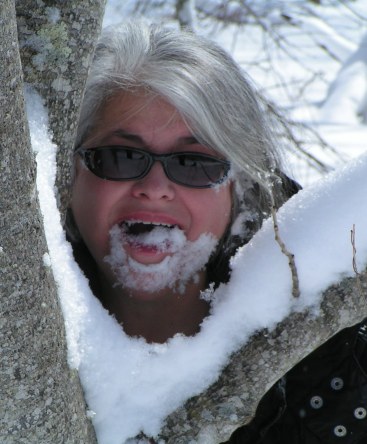
Me, embracing winter!

When I feel keyed in to Nature’s patterns, I’m more whole—and more wholly in the moment. I think we’re meant to slow down a bit in winter, but not to shut down. Surely, I can get outside and have my hot chocolate, too.

That Fateful Day

(We make an astonishing number of decisions every single day, starting with whether to get out of bed. Some are big; others, not so much. Sometimes, what seems like an insignificant decision turns out to be pretty big, after all. What follows is a story about one one of those times in my life. What about you? Any seemingly little decisions in your life that turned out to be not so little that you want to share? Just leave them in the comment section below.)

For once I kept my mouth shut. It was a simple question and I had the very simple answer. But I must have sensed Daddy’s fervent, unspoken prayer.

All the men at the door wanted to know—the men with whiskey on their breath and rifles in their hands—all they wanted to know was where their wives were. The wives who were sisters. The wives who had run away from the husbands after they, the husbands, had returned from a long day of hunting and drinking only to drag all the wives’ clothes outside, throw them in a pile, and set them on fire.

The wives, as it happened, were cowering behind the very door where I stood next to Daddy. We had been only minutes from shepherding them to our car to take them to the safety of their mother’s home when the men, the men with the whiskey breath and the hunting rifles, banged on the door.

It would have been so simple, so natural, for three-year-old me to point and say, “They’re right here.”

But something stopped me. And that may be the only reason I made it to four.

The Last Time

(Note: certain details have been changed to protect individual privacy, but the essential facts remain the same.)

I’m at an age when it sometimes occurs to me that this may be the last time. The gnome and I, if we’re lucky, will be nearly eighty when it’s time to repaint the house and well over a hundred when time comes to replace our new metal roof. As inveterate do-it-yourselfers, it’s encouraging to think, “Well, at least we’ll never have to do that again,” when it comes to big jobs like roofing and house painting. (Not because we’re planning on going anywhere but, at least if we have our wits about us, we won’t be climbing any extension ladders!) I think of these as the good last times.

But there are other last times, other milestones I’m not so eager to meet. I wonder about the last time I’ll be able to climb our stairs. Upstairs is where our bedroom and only bathroom are; it’s pretty important to be able to make that trek. What if the time comes, like it has for my mother and some aunts and uncles, when my body just won’t let me do that anymore?

What about the last time we’ll kiss goodnight, the last time we’ll make love. It’s coming. Chances are when the last time comes, we won’t recognize it.

The memory lingers of the morning I got a sickening call that the husband of a young neighbor had been murdered just moments before. She remembered their goodbye that morning. Nothing special, just a peck on the cheek. Like most other mornings. How could she have possibly imagined it was the last moment they’d share?

One day after a marathon lunch gathering of old friends now spread far and wide—those things do tend to go on and on—we stood around our cars in the parking lot saying our almost equally long goodbyes, oblivious to the fact that in just a few hours one of us would get a call that her husband had been killed in a car accident. Who would have anticipated that?

Then came the day when a close-knit group of colleagues came together for one of our regular quarterly meetings. The day one of us who had been plagued for months by an undetermined ailment told us she was feeling better. Even joked that at least she’d lost some weight. None of us expected it to be the last time we’d see her.

Every decision we make—or don’t make—could be a life-altering moment. Almost always, we never have a clue. We don’t know what would have happened if we’d left the house one second sooner or one second later, or if we’d decided to take one route over another one, or if we said no instead of yes (or yes instead of no). Of course, it serves no purpose to second guess ourselves, but it might be worthwhile to recognize and appreciate the sheer randomness of everyday moments and events.

So, I think about these things. Maybe it sounds morbid. Not all that many years ago, I’d have squirmed uncomfortably at such thoughts. These days, though, I’d like to be aware. Not to constantly worry or agonize but to put myself fully in the moment, to appreciate the here and now for all that it is. Because it’s just possible this may be the last time.