“Everything I Need”

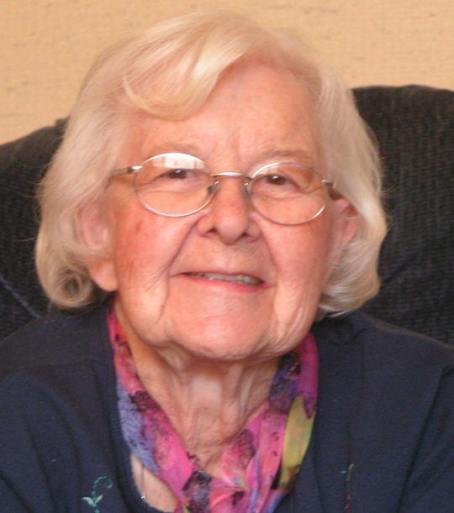
Have I mentioned I have the most amazing mom? Really, I do. This woman, 95 today, has never ceased being my mentor and teacher. And I’ll bet she doesn’t even realize it. She’s no longer trying to mold me; that work is done. Yet, her daily, living example does influence me.

I recently came across a March 19, 2018, New York Times article by Jane E. Brody: “Finding Meaning and Happiness in Old Age.” She references several experts in the field of geriatrics with observations such as these:

  • Even when physical decline and losses restrict one’s options, there remains the capacity to appreciate and approach each day with a sense of purpose. It’s all about how you frame what you have.

  • Positive aging is “a state of mind that is positive, optimistic, courageous, and able to adapt and cope in flexible ways with life’s changes.”

  • older people, knowing they face a limited time in front of them, focus their energies on things that give them pleasure in the moment,” not on a future that may never be.

That sounds a lot like Mom, now classified as among ‘the oldest of the old.’

Five years ago, my mother lived in a six-room house filled with antiques and family heirlooms. She and my dad had already downsized once or twice. Today, widowed after sixty years of marriage, she lives in one room in an assisted living facility. She no longer drives. She shares her small room with all her possessions—a chest, a rocking chair, a couple of bedside tables and lamps, a small bookcase overflowing with books and word puzzles, a television set, and a few pictures and pieces of needlework adorning the walls. Aside from her clothing and a bed furnished by the facility, that’s about it. Talk about downsizing!

Having suffered a broken hip, a fractured pelvis, severe osteoarthritis, and several fractured vertebrae that shortened her height by at least five inches, she moves slowly, painfully, and infrequently—with an aluminum walker as her constant companion.

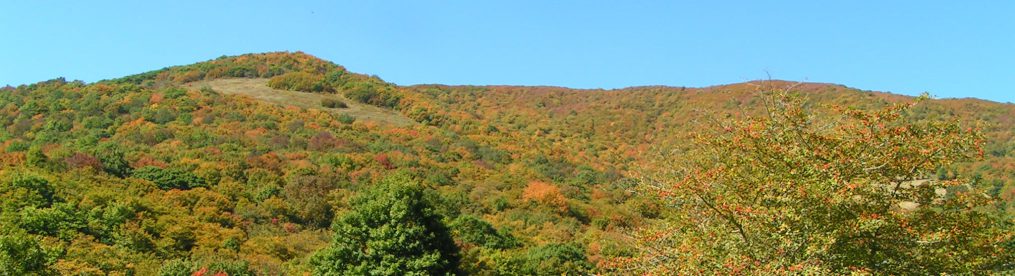
Some people would look at her circumstances and be overcome with sadness. Not Mom. Sometimes when we’re on the phone, she’ll randomly say something like, “Not many ninety-four-year-olds are as lucky as I am,” citing her long and happy marriage, her children, the mountain view from her room, the resident cats that come for daily visits.

On my most recent visit, I asked if there was anything I could pick up for her. She took a cursory glance around, looked me straight in the eyes with a tranquil smile, and said, “You know, I have everything I need.”

I’d say she’s mastered the art of finding meaning and happiness in old age. Now, if only I can be as good a pupil as she is a teacher.    

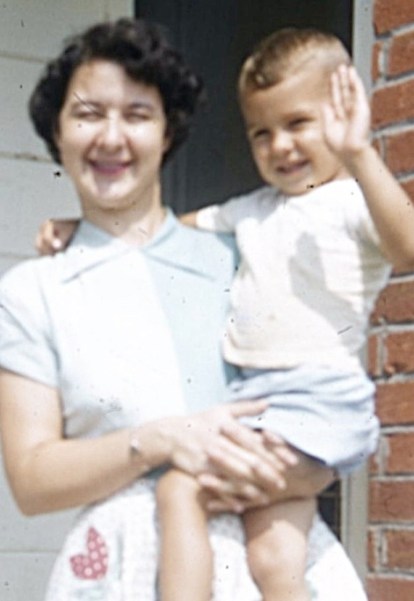
Mom through the years


One Life

What if someone were to curate a museum exhibit of your life? What objects would you want included? What would they say about who you are and what matters to you? How would the accompanying plaque interpret the exhibit?

Here are some vignettes I picture as part of my “One Life” exhibit:

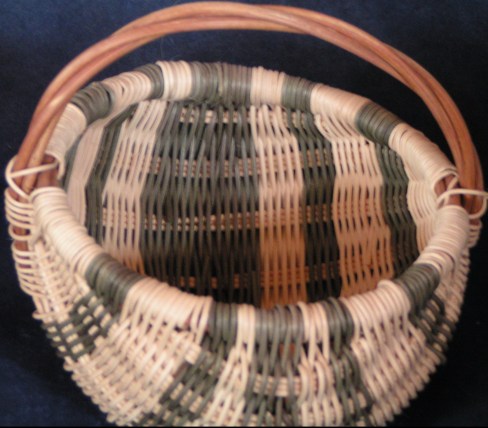
A seed picture, a macramé wall hanging, and a handwoven basket depicting a childhood of craft-learning at my grandmother’s feet which morphed into my would-be-hippie-street-fair-vendor period and morphed again into a more nuanced appreciation of handiwork and an unending need to work with my hands;

A shelf filled with books by the likes of Annie Dillard, Mark Twain, Mary Oliver, Robert Fulghum and more, some of which prompted me to read more while others influenced who I became and still others led me to become a writer myself;

A table holding a pencil, eraser, and notebook symbolizing my love of writing, an urge  that visited me randomly and infrequently until recently, when it became a near obsession;

A collection of LPs and CDs: classical—Mozart, Chopin, Mussorgsky, Beethoven (there was a time when I fantasized about becoming a concert pianist. That time was sandwiched between my Debbie Reynolds period and delusions of being a race car driver); folk—philosophical storysingers the likes of the Kingston Trio, Christine Lavin, John McCutcheon, and Carrie Newcomer who prick our consciences and prod us to action with thought-provoking messages, sometimes with some quirky humor thrown in; the Gaelic melodies of Enya and kin which, through their sheer ethereal beauty, transport my mind to the shores of my heritage;

A hammer, a saw, and a scattering of nails on a 2 x 4 piece of lumber portraying our once-in-a-lifetime homebuilding adventure;

A grouping of family heirlooms—perhaps a chair, a plate, a crocheted doily: items that tell the story of my attachment to family and family history;

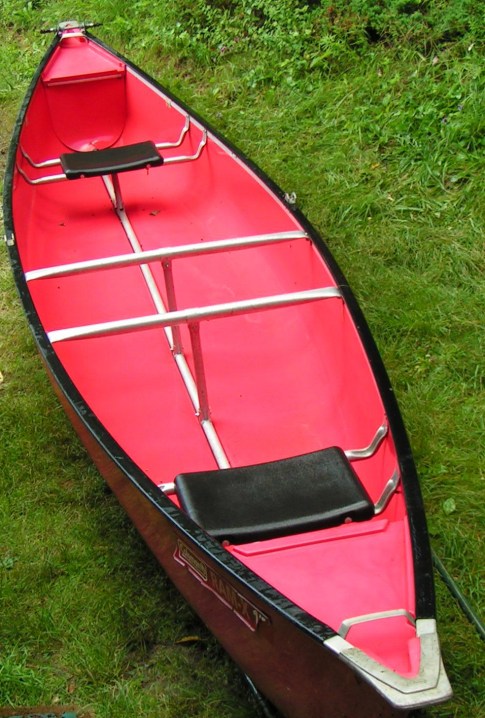
A tent, a canoe, and a campfire all in the midst of a small square of outdoor space, testaments to my love of camping, water, and nature;

A collection of photo albums—more proof of my strong sense of family as well as my love of photography, nature, and wildlife;

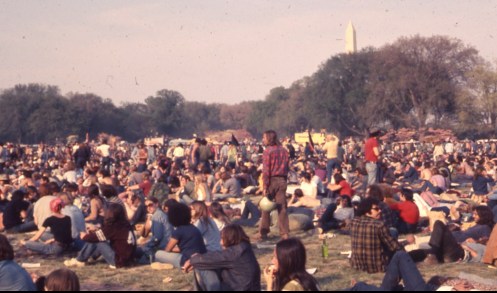
A corner filled with bumper stickers, protest posters, sit-in images, and a couple of rabble-rousing speeches representing my passion for human rights, all sorts, and my years as an activist and leader in social change movements;

A few fruit- and vegetable-filled canning jars next to some colorful seed packets resting atop a small mound of well-composted garden soil—evidence of my gardening and food preservation heritage and interest.

All of this would, of course, be displayed against a backdrop of the Blue Ridge mountains while the sounds of bird songs and a waterfall are piped into the exhibit space.

Looked at as a whole, such an exhibit speaks to me of eclecticism (or perhaps the inability to settle on any one thing). I like to think it also speaks of an enthusiasm for life, a certain joie de vivre. But I see what isn’t there, too—in some cases, things I wish I’d had a chance to experience or was passionate about, but in truth am not; in others, things that once mattered and have been cast aside. I see the absence of objects that are critically important to other people but don’t matter a whit to me.

(Conspicuously absent is anything about my family—other than the references to the photo album and family heirloom exhibits. Make no mistake: they are, every single one of them, central to my life. But with this kind of exercise, it’s all too tempting to focus on other people and to turn the whole thing into a cliché, so I resist the urge.)

Chances are, there are also things that have simply skipped my mind in the moment. If I were to write this piece next week or next year, an entirely different collection of objects might appear.

I wonder what my exhibit would say to the casual observer? What about yours?

Delighting the Senses

I’ve mentioned my writing group before on this blog. I get so many great writing ideas from our two-hour Wednesday sessions. A few weeks ago, we were asked to select from a pile of phrases our illustrious leader had torn from the pages of magazines. I chose “Delight all five senses.” The assignment: in ten minutes, write a poem inspired by our selected phrase. Here’s mine:

Delight in All Five Senses

The taste of homemade ice cream with homegrown blueberries
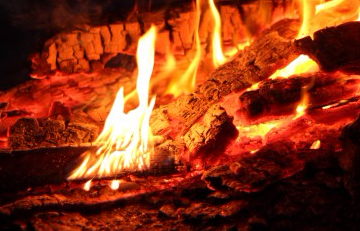
The smell of a dying midnight campfire
The sound of a baby’s laughter
The touch of a cat nuzzling my sleepy morning cheek
The sight of a long lost friend

The taste of a snowflake melting on my tongue
The smell of spicy ferns as they brush legs on a woodland walk
The sound of a mating wren’s melodious song
The touch of a mossy stone caressing my toes
The sight of fireflies on a moonless June night

Bear Sighting

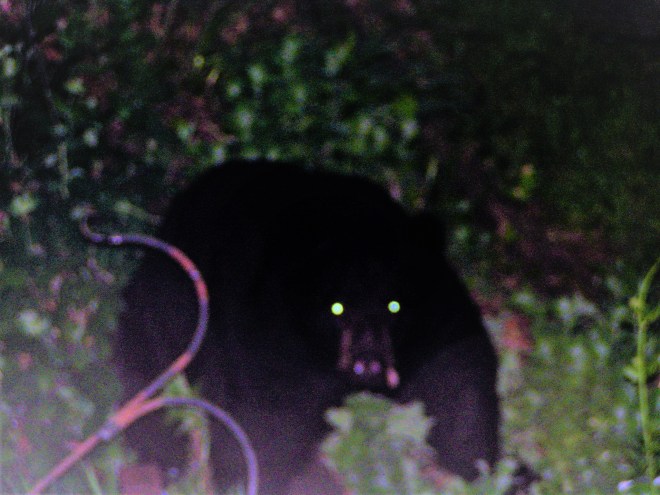
Have I told you about our late night bear visits? That’s right. We’ve had a bear in our front yard, on our wooded hillside, even on our deck. We named her Shadow. I tried to capture the tale in a rhyming story for the grandkids.

Okay, not the greatest shot, but hey, I was staring at a bear!

SHADOW

It was late, late one night—
I woke up to a crash!
A Kapow! And a Bang!
I jumped up in a dash!

I wandered outside
and what did I see?
A great big black bear
staring at me!

That bear was so black,
that bear was so big
with her cinnamon nose,
I just flipped my wig!

But why was she there
in my yard late at night?
She was eating my birdseed—
every single last bite!

What could she think
of seeing me now
peeking out in the dark
and watching her chow?

I thought she might run,
but I found that instead
she sat on her haunches
slowly turning her head

To give me a stare.
So I stared right back
till I suddenly thought
I ought to backtrack

Or she’ll give me a whack
with her giant bear paws,
or carry me off
in her great big bear jaws.

I tiptoed inside
and called Grampa Ron.
“Come here to the window!”
But the big bear was gone.

And so was the birdseed,
and the bird feeder, too!
We found it next day
at the edge of the wood.

Can you picture that bear,
feeder swinging from mouth
like a big picnic basket,
traveling south?

The next night and the next
she did not come back,
but the following night
what a thwack, whack, and crack!

A tree limb she broke.
Another bird feeder gone!
And where do you think
we picked up this one?

Right! Right you are—
at the edge of the woods
just where she left
the first of her goods!

She was so clever,
that great big old bear;
She gobbled her food
with nary a care.

She hasn’t returned.
I do not know why.
Maybe she’s patiently
waiting for pie!

The Tyranny of the Garden

Last week I extolled the virtues of gardening, and here I am saying the garden is a tyrant. I know. I’m a bundle of contradictions.

It always happens about this time of year—when the garden’s productivity turns into excess and demands more time than I have to give it. And I’m not talking about weeding and watering. For the most part, the Gnome takes care of those chores. I’m talking about harvesting the results of all the labor that has gone before. I’m talking about the next steps. This is the time of year I begin to reevaluate my relationship with the garden.

When the Gnome and I purchased our first home, we couldn’t wait to plant a garden. A few years after we moved to the diagonal, we tried gardening again. But we were too busy with child-rearing, house building, and jobs to keep up with it. When we retired, we took up gardening yet again—it was a natural extension of the simple lifestyle we were after. He liked working out of doors, doing something where he could see results, connecting to the earth.

I had my own reasons. Gardening is a huge part of my heritage; it ties me to my ancestors. Besides, I wanted to prove to myself that I could. If we were to find ourselves in the midst of a worldwide food catastrophe, I wanted to know I could still make food happen.

I like the smaller footprint we make by growing and eating our own food. Getting food from thousands of miles away costs the environment and decreases food’s quality and flavor. It doesn’t get much more local than taking a few steps from door to garden.

I like knowing exactly what’s going into my body. When I grow my own, I do. And there’s something almost magical about realizing the food I prepare and eat is mine! I made this happen. There’s nothing quite like looking at a plate of lima beans, broccoli, squash with onions, sliced tomatoes and cucumbers, and cornbread cooked with meal ground from our own corn and realizing that everything on the plate is fresh from the garden.

Gardening is primal. It’s healing. It’s hope. But it also takes over my life for about half the year. In the dead of winter, that’s a good thing. I need a break from winter’s tedium. But I have more in my life than gardening. At least I want to.

At this time of year, the garden is a demanding taskmaster. Food that isn’t harvested at the right moment gets tough and seedy. Failure to pick inhibits further growth. (Sometimes I could do with a little growth inhibiting, but it feels almost criminal to let it go.) Or it rots. Heartbreaking.

If it were only the hour or so of picking beans and squash, digging potatoes and garlic, pulling up beets and carrots, it wouldn’t be so bad. But that’s only the beginning. There’s the rinsing and scrubbing, there’s rearranging the fridge to find a few more square inches of space for the day’s gleanings, there’s the meal planning—what needs to be eaten right away and what can wait a day or two or three (when there will be yet another kitchen full of fresh produce filling kitchen counters), there’s the search for recipes to learn how to prepare that weird new veggie I just had to plant and for other recipes to keep yet another meal of green beans or summer squash from becoming boring.

There’s the pickling and root cellaring and dehydrating and freezing and canning so we’ll have food from the garden all year long. Cleaning the kitchen and emptying it of everything nonessential, because processing food takes a LOT of space. Getting out equipment and supplies and cleaning them. Filling huge pots with water and waiting for it to boil. Sweating in a kitchen that was hot even before I turned on the stove. Setting timers, watching pots and gauges, adding ice to already icy water to chill freshly blanched foods. Labeling freezer containers, filling them, and finding space in a freezer already bursting at the seams. Cleaning up. Putting away. There will be no time left today for those other things I hoped—or needed—to get done.

There’s figuring out how to distribute the excess. Harvesting on a day my donation spot will be open and able to take my offering, on a day I can afford to leave the garden and kitchen to make a delivery.

There’s postponing vacations and family visits until after gardening season ends and before it starts up again.

And there’s the refrigerator-full of vegetables crying out to be eaten. Squash and beans and tomatoes last night, eggplant and peppers and carrots tonight, beets and chard and zucchini and cucumbers tomorrow night. Yes, it’s all good, an embarrassment of riches for vegetarians like us.

But every once in a while a person just wants some chips and a ‘Not Dog.’

So Beautiful It Changed My Life

What an amazing concept—something so beautiful it could change a life. Most of us, if we’ve lived long enough, have had at least a couple of life-changing experiences. But by nothing more than beauty? That was the writing challenge I was presented recently: a time when something was so beautiful it changed your life. It took me aback for a moment. But only for a moment. As I scoured my memory, it came to me.

Driving from Kentucky to the mountains of North Carolina in 1979, after the Gnome and I had made the mental decision to move but before we had actually taken action to make it happen (in other words, it would be easy enough to back out), I looked at the mountains on the horizon with new eyes. It was as if they were cloaked in blue-green velvet.

Their apparent softness overwhelmed me. Though I didn’t have words to articulate it, I sensed something magnificent. Those ancient rocks, some of the oldest in the world, had been worn down by eons of rain and wind; in the process, they had been reshaped from the haughty cragginess of youth into the gentle wisdom of age. Their strength lay in their graceful endurance. I didn’t want to back out.

We spent a week searching for a spot to call home Discouraged by all the not-right-for-us places we’d been shown, we were about to head back to Louisville with unfulfilled dreams. At the last minute, our realtor recalled a secluded piece of land tucked away on a mountainside, and our decision was made. In early April, things were still pretty barren; still, we were confident we’d found what we were looking for. We signed some papers and went back to Louisville to prepare for the big move.

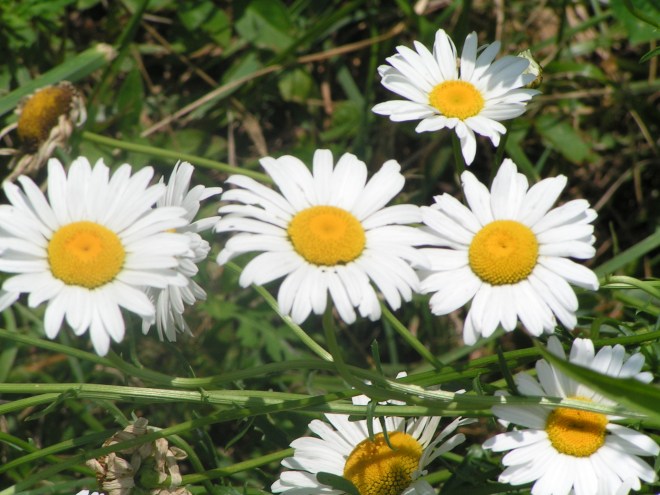
When we returned to our mountain with all our worldly goods not quite three months later, my heart stopped as we drove into a meadow bursting with daisies. (How did the universe know to greet me with this outsize bouquet of my favorite flower?) 

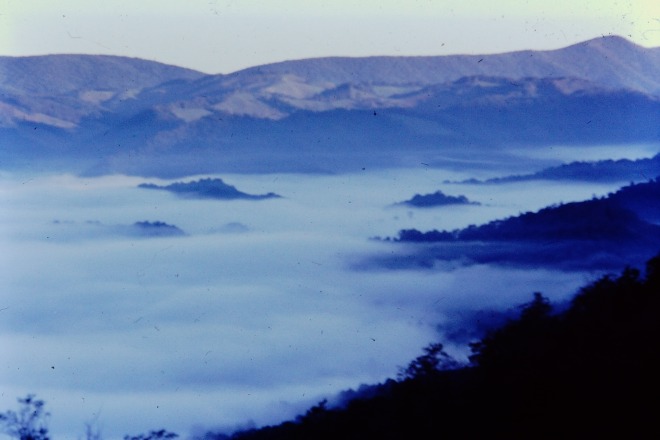
It stopped again the first time I looked over a cloud-filled valley, mountaintops peeking out like islands in a sea of snowy foam.

I knew I’d never leave.

pict0068

(To read more about our adventure of moving and building a home with our bare hands while living in the wild, begin here.)

Here’s to What We Don’t Know

Another quick assignment in my Wednesday writing group—you’ll find the prompt in the last nine words of this post. (Unh-uh! No skipping to the end!)

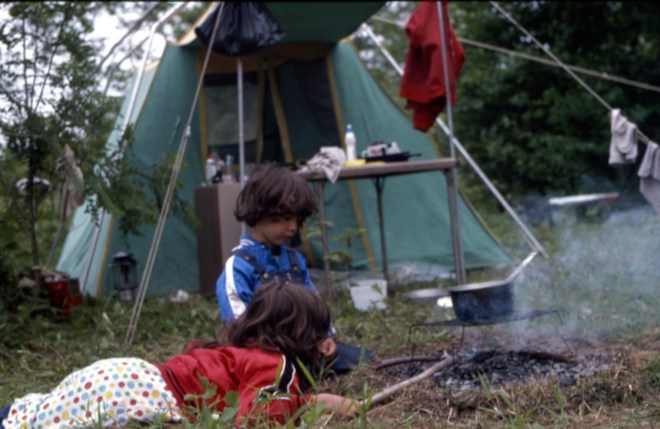
Living in a tent on ten acres of land in a strange place with no water, no electricity, no phone access, no knowledge of local weather conditions—like that severe thunderstorms could and would pop up daily with no warning, no jobs, and no money but with two elementary-aged children, two neurotic cats, and a notion we could live this way for as long as it took to design our own house, get planning approval, and build the entire thing with nothing more than our own four hands and a few hand tools . . . well, it seemed like a good idea at the time.

Grandparents’ Camp, Part I

The Gnome and I sponsored our annual grandparents’ camp a few weeks ago. Lots of folks do these days, but I’d never heard of such a thing when we opened our first camp seventeen years ago.

A lot has changed in that time. Back then, we had only one camper. Easy peasy. As the years passed, the number of campers has, at times, quadrupled; the camp directors’ ages increased dramatically, along with the number of cranky joints. The age gap between campers grew, too. We’ve had as many as four campers simultaneously, their ages ranging from two to eighteen. That makes planning a little more complex than back in the early days of our camp.

Our pioneer camper is clearly aging out, no doubt soon to be followed by the next eldest—too soon. But they will always be welcome in our home, camp or no camp.

I still look forward to camp and, unsurprisingly, still feel a bit of a letdown when the last camper says goodbye and heads for home. Kind of like that feeling I get as a wonderful vacation is nearing its end or the way I felt as a child as the holiday season wound down.

The first few camp years, I began planning weeks in advance. Now, with nearly two decades of experience, I’ve pared the process down a bit. I keep a notebook with all essential information (menus, recipes, activities), adding new ideas along the way. But planning still begins about three weeks in advance—I just don’t spend so long on it in a given day or week.

For campers of a certain age, I send camp invitations and registration forms, SASE included. I insert a goofy questionnaire asking, for instance, if the camper has ever been bitten by a tsetse fly or suffers from conditions like whinitis or pre-teen angst. I send a checklist of potential activities, including a few goofy options, such as eating worms or picking up rocks. I include a list of common-sense items to bring with them, and I request that they leave some items at home, absurd things like pet crocodiles.

About the same time, I put together a menu and shopping list. It’s fairly standardized because I can count on the same special requests from year to year: fondue, cookout, s’mores, sweet potato casserole, and a baked spaghetti dish.

I break buying trips into two parts. Perishables are purchased only a day or two before the start of camp. But to save myself from too much sticker shock, I buy non-perishables a week or two in advance.

I check the status of our regular supplies: canvases, paper, and acrylics for painting along with glue, food coloring, and liquid starch for that all-time favorite, slime. I collect materials for new projects I’ve discovered over the year.

I make sure bedding is in place, pull out equipment that’s been stored for the last twelve months, and do a last minute clean-up. I don’t know why I do this—it will take about five minutes for the house to explode in suitcase innards, toys, crayons, and more. Still, my illusion (delusion?) is that starting the week organized helps keep things under control.

In addition to the ever-popular painting and slime-making, we blow bubbles, watch fireflies, stargaze, make homemade ice cream—with a different fruit each year, add an item or two to one grandchild’s wooded fairyland, go for walks. I try to stay away from rigid schedules as much as possible. At the risk of hearing those dreaded words, “I’m bored,” I still prefer the freedom from routine that comes with grandparents’ camp.

The best part of making ice cream is getting every last drop from the can and dasher.

Learning to arm knit
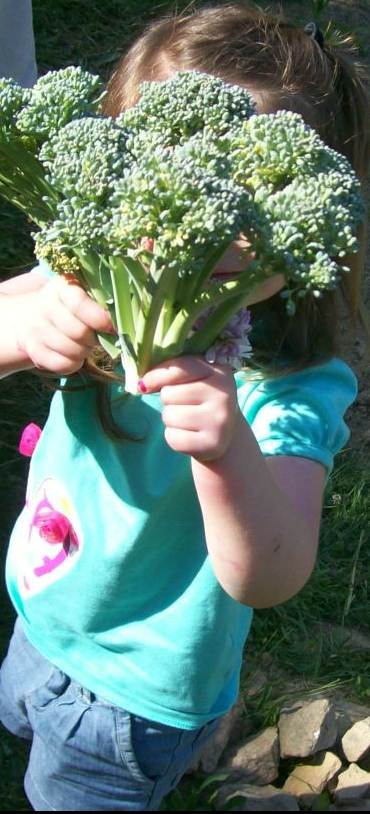
Harvesting supper from the garden is great fun.

We include a few field trips. They break up the routine, but too many and the week starts to feel overscheduled. Field trips have included a trip to our favorite local park for picnicking, playground fun, bicycling or strolling, kite flying, and splashing in the icy mountain river that bounds the park. We’ve visited local tourist attractions, we’ve gone gem mining, we’ve toured a cavern. Lately, we’ve included a shopping trip to boutiques for the older kids while the youngest one visits a playground or library story hour. (Shopping bonus: I get surefire gift ideas.) We’ve gone on downtown scavenger hunts, visited a working alpaca farm, attended a street festival, spent long evenings at fireworks displays.

One of our all-time favorite activities was the “spaghetti pool.” It involves playing naked in a kiddie pool full of oily spaghetti sprinkled with food coloring, so it’s only suitable for the youngest campers. But since it’s one of the first camp experiences the grandkids have, they’re sure to anticipate future camps as a wildly fun adventure. (A long, warm, bubbly soak in the tub inevitably follows this activity.)

We’re seventeen years older than we were when we held our first grandparents’ camp. We’re a little slower now, but I love our special week with grandkids every bit as much now as then. It’s a rare opportunity for them to spend time with each other; it’s a different pace than their norm with different freedoms—and different rules; they get to know us one-on-one. Invariably, the kids initiate conversations on subjects that don’t usually come up when the house is filled with mostly adults, so we get to know them better, too. Their conversations are open and free, and they treat us like one of their own.

John McCutcheon, one of my favorite folk artists, sings the song, “Water from Another Time. It tells of childhood summers spent with grandparents, getting water from a rusty pump “primed with water from another time.” The point of the song is that we all need a little from the past to feed our souls—old melding with new to help us make our way in this world.

I hadn’t really thought about it before I heard those words, but that’s what the Gnome and I are trying to give our grandchildren with these precious summer moments. My fervent hope is that one day my grandchildren will utter the words I so often do: “I want to be kind of grandmother my grandmother was.”

Water from another time.

Dressing Gramma’s childhood doll in clothing made by Great-gramma—water from another time.


A Mountain of Wildflowers


The early July day we drove onto our property for keeps is a day I’ll never forget. The four-acre meadow was white, covered with native oxeye daisies—my favorite. There were enough black-eyed Susans thrown in for variety, but not enough to take away the impression of snowy summer field.

At that time, we had no idea how many different wildflowers would grace us each year. We had to live through a full year to see it all. More, actually—a few, like jack-in-the-pulpit, can be hard for the novice to spot in a wooded landscape.

We didn’t know the following May and June would bring rhododendron blossoms throughout these mountains or that June-blooming flame azaleas dotted our property with mountain laurel following close behind. We’d never heard of fire pinks, which are actually blazing red. Red bee balm and both yellow and orange-spotted touch-me-nots are summer-to-fall natives.

Milkweed, Joe-pye weed, and ironweed (none of which should have the word weed attached to them) add varying hues of purple to the landscape. Open fields turn yellow when wild mustard, common ragwort, and evening primroses bloom.

The list goes on from March’s trillium to October’s purple asters—not to mention the many varieties of ferns, mushrooms, mosses, and lichens that share this land with us. But we all know pictures tell a story much more eloquently than words. Enjoy the two slideshows below.


This slideshow requires JavaScript.


This slideshow requires JavaScript.

Our Garden in June

Our Garden in June

For the most part, I write about gardening and modern homesteading over at Mother Earth News these days. I hope you’ll check it out. But sometimes my enthusiasm is just too big for one blog.

This is an exciting time of year for avid gardeners. Tiny leaves erupt from the ground and unfurl where seeds were buried yesterday. Early crops such as salad greens and lettuces are in full production mode, strawberries are juicy red, and summer crops like squash are beginning to produce. At this time of year, it’s not so busy that a gardener-food preservationist feels overwhelmed, yet each day brings evidence of progress and growth. It’s a time full of hope, exuberance, and plenty.

I adore this time in the gardening calendar. Mornings and evenings are cool enough to enjoy garden work without breaking a sweat, whether weeding or gathering part of the evening’s meal. Hardly ever do I leave the garden without taking a few minutes (which often stretch into bigger chunks of time) to sit on our garden bench and survey the success of our efforts.

A couple of weeks ago, our grandchildren were here for “camp” ( a story for another time). The nine-year-old asked if she could go down to the garden—a question sure to garner a hearty “Yes.” A cousin spotted her from the deck and wondered who she was talking to. Sure enough, her mouth was busy as she wandered from plant to plant, her hands reaching out to release the aromas of various herbs.

When she returned to the house, I asked her if she’d been talking to the plants. “Huh? How do you talk to plants?” she asked in astonishment. So, I had to ’fess up. Yes, I regularly talk to our plants, as an older grandchild who’s accompanied me on many a trip to the garden can attest. I didn’t even realize I was doing it until she turned to me and said, “I like how you talk to them. It’s like they’re human.”

Indeed! I encourage them, I apologize when the weather is uncooperative and urge them to hang in there, I thank them. They bring me great pleasure and I can’t help but give that pleasure some expression.

Here’s what’s going on the garden these days.  (To see captions, click on each photo group, then place cursor over individual photo. You’ll have to click a second time to see captions in their entirety.)


Thanks for stopping by and stay tuned. More to come as the garden matures.