Touring Halifax

(To read about our Nova Scotia travels from the beginning, start here.)

Nova Scotia redux began for us in Halifax, a fitting first stop. The province’s capital and by far its largest city, Halifax is vibrant and cosmopolitan, but with a cozy feel. It never felt overcrowded—at least as the first stop on our provincial travels. After a couple of weeks touring the coastline and running into people in only twos and threes, even a city as welcoming as Halifax might have seemed jarring.

We were surprised at how easy it is to navigate Halifax. Though we were staying in an Airbnb condo in a residential area, a short one-block walk took us to a large grocery store (liquor store, too); we found numerous local restaurants in easy walking distance; and we were never more than a five-minute drive from anywhere we wanted to visit.

Our days in Halifax were by far the most ‘touristy’ part of our Nova Scotia visit. Our first stop was the Halifax Citadel National Historic Site, a star-shaped fortress first constructed in 1749 to protect the harbor. The Citadel was never engaged in battle. It didn’t need to be; its mere presence was deterrent enough to would-be invaders. We watched the hourly sentry change, as well as cannon and rifle-firing demonstrations, all performed in full military regalia of the era. With the national parks passes we purchased prior to our travels, this was a freebie.

As avid gardeners, we could hardly pass up the sixteen-acre, Victorian-era Public Gardens, occupying a large city block in the heart of downtown. We took our time exploring its fountains, bridges, statues, pond, and its massive floral displays including exhibits like these

and carpet beds like these.

They even have tropical plants on display. How do they do that?

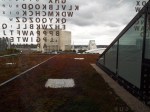
Not every public library is a tourist destination, but Halifax’s new Central Library certainly is, with its five-story, 112,000 square foot award-winning architecture. It even boasts a green roof, a cafe where patrons can buy coffee or a meal, and a rooftop garden for enjoying their purchases. The library is even LEED-certified, a high-performance green building designation.

Among its many sustainable features are a green roof sustained by rainwater, electric vehicle charging stations, rainwater harvesting for flush features, solar heating, and use of recycled, local, and low-emission building materials. All that and stunning, too. So stunning that in 2014, CNN named it one of ten ‘eye-popping’ new buildings of the year. I wonder why.

Photo attribution: Citobun [CC BY-SA 4.0 (https://creativecommons.org/licenses/by-sa/4.0)%5D, from Wikimedia Commons

While we knew we didn’t want to spend our precious time in Nova Scotia inside museum walls, the Canadian Museum of Immigration at Pier 21, Canada’s last ocean immigration shed, was a notable exception. I was humbled to find myself in the presence of other visitors who were ‘veterans’ of Pier 21, people who themselves had come to Canada by boat via Pier 21. (I’ll be writing more about this phenomenal experience in a future blog post, so stay tuned.)

(Speaks for itself)

She doesn’t know it, but a primary reason Halifax was one of our destination points was folk artist Shelagh Duffett, whose brightly colored, playful prints (mostly of cats) adorn our walls. The weekend we were there, she was selling at the Maritime Makers’ Market. We were excited to meet her in person and to purchase even more of her smile-producing fanciful artwork.

Typical of Nova Scotians, Shelagh was genial and generous, giving us tips on vegetarian restaurants and an important site to visit, one we weren’t familiar with. We went straightaway to the historic Hydrostone District, a lovely neighborhood with a tragic history. (I’ll be writing more about that in a later blog, too.)

The tree-lined boulevards in Halifax’s historic Hydrostone District feature wide, grassy strips for community use.

But the best part of our stay in Halifax was strolling, whether through parks, neighborhoods filled with lovely Victorian homes, shopping districts, or the boardwalk at the harbor, a place we found ourselves every day of our visit, sometimes more than once. Day or night, it was safe, relaxing, and yet spirited, filled with people, public art, and a few surprises—like the hammocks just waiting to be used by anyone. What a delightful way to pass the time: swinging in a hammock while reading, watching seagulls, or gazing at sailboats on sparkling water.

Yes, Halifax was a good place to start our journey. Stay tuned for more about our Nova Scotia travels.
Return to Nova Scotia

Forty-nine years later, the Gnome and I have fuzzy but memorable impressions of our first visit to Canada. They go something like this—Ottawa: old-fashioned officialdom; Toronto: sleekly professional with more traffic lanes than we’d ever seen; Montreal: sophisticated, Euro-cosmopolitan; Quebec City: old-world charm; rural Quebec: rolling green farmland; New Brunswick: waves of amber; Prince Edward Island (PEI): verdant romanticism.

And then there was Nova Scotia, a place I’d seen in my dreams, a place where the mountains meet the sea, a place of blues and greens, a place that inspires the imagination, a place of calm and peacefulness.  I’d always imagined living someplace where I could open my front door to the ocean and my back one to the mountains. I assumed it was a mythical place, attainable only through my fanciful visions.

Yet, here it was, right before my awestruck eyes. But our trip was at its end. We only had a fraction of two days to soak in this magic. Still, Nova Scotia managed to grab a little piece of our hearts.

So, how come it took almost fifty years for us to return to this bewitching land? We’d managed to revisit some of the other provinces and explore them further, making a five-hour, 186-mile train trip to (what we thought was far north) Moosonee, Ontario, on the Polar Bear Express. (Rail is the only way to reach Moosonee by land.) And we camped on Quebec’s Gaspé Peninsula, home of Forillon National Park and the Chic-Choc Mountains, a continuation of the Appalachian chain.

Maybe we stayed away so long out of an unconscious fear that reality couldn’t possibly measure up to our happy memories. Or maybe we instinctively knew the longer we yearned, the more phenomenal it would all be when our dreams finally turned to reality.

And so it was that in mid-September we made our way back for a long-planned and even longer-imagined visit to the place that had held on to our hearts for so long. A twenty-six-day road trip, eighteen of those in Canada’s second smallest and second most densely populated province (coming in after PEI in both cases).

Eighteen days, especially compared to the barely two of our previous visit, should be enough time to get to know a place so small that it’s a mere 360 miles from tip to tip, so small that nowhere in the province is more than 42 miles from the ocean, right? Hardly. That was clear after only a couple of days.

We weren’t so much interested in visiting museums and traditional tourist sites, though we did take in a few. Instead, this time around we wanted to get to know the real Nova Scotia—her people, places, and culture. We didn’t want to just see the place; we wanted to feel it. We thought we could accomplish that by visiting community after community. But each locale has its own unique story and demands more than a quick pass through. Before we knew it, we were busy planning our next trip, one that keeps us in fewer places, but for a longer period of time in each.

Was it all we’d imagined? Oh, yes! In the next few weeks, I’ll be writing about some of the special places we saw, people we met, and things we learned. In the meantime, to tantalize you, here are just a few of the 3500+ pictures we took along our journey.

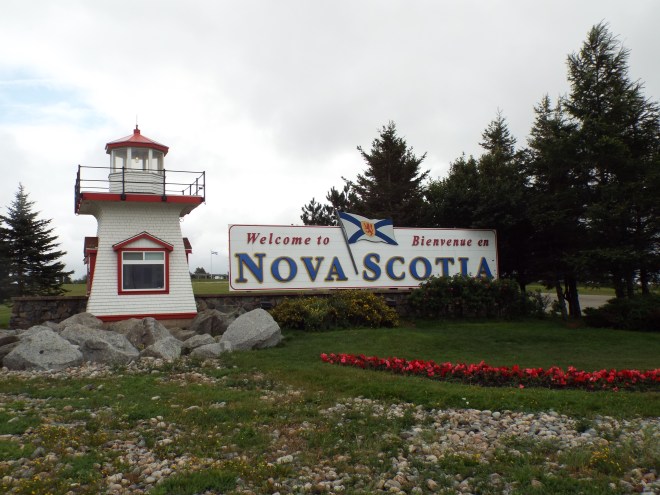
Long-awaited welcome

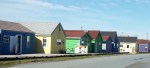
So many colorful houses everywhere–you’re as likely to see red, purple, or orange as you are white.

Early morning in Peggy’s Cove

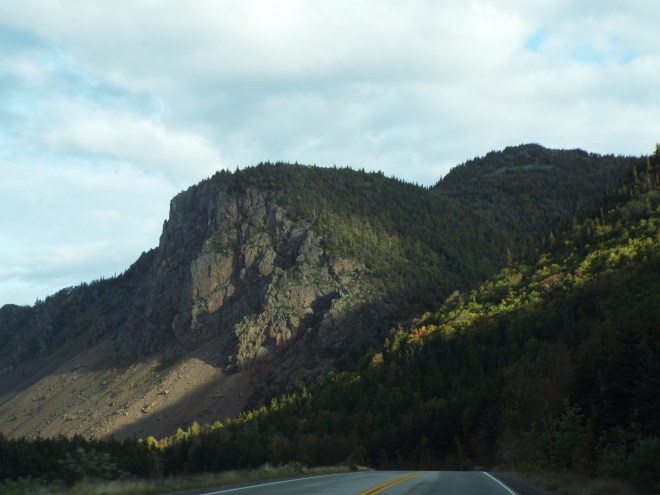
Beautiful Cape Breton

DSCF5984

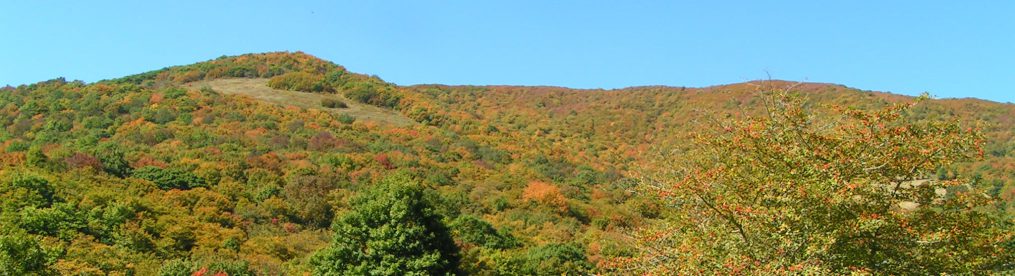
We even got to see the beginning of Cape Breton’s fall colors.

DSCF3865

Looking out from a sea cave at Ovens Natural Park


DSCF4047

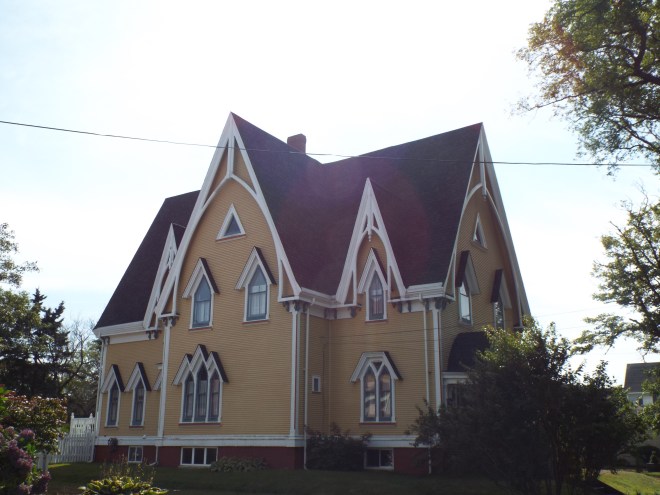
So many striking homes. So much detail.

Annapolis Valley

DSCF4332

Example of an 18th century  Acadian home

Oh, Canada!

The Landscape of Grand Pre, a UNESCO World Heritage Site


And here are a couple of Nova Scotia factoids: The distance from Nova Scotia’s southernmost tip to its northernmost is 360 miles, almost two hundred miles less than the distance across my home state of North Carolina. In land area, it is closest to, though smaller than, West Virginia, which is ranked 41st among our 50 states.

To join me on my journeys stay tuned for more stories and pictures.

Soul Food

Since the Gnome and I took up gardening in a serious way, food has sort of taken over my life. It all starts in January when I sit down with the tall stack of seed catalogs that have been filling my box for the last month or so.

The pictures alone make me drool. The exotic new vegetables, the colorful ones, and especially bean seeds capture my imagination. In truth, beans aren’t my favorite dish, but I’m batty over the seeds. So, beans take up a fair amount of the garden landscape.

After the seeds arrive in February or March, I begin diagramming the garden. How much space to allot to this or that veggie, how to rotate the crops, which plants will be good companions are all questions that come into play during the planning process.

Spring means cleaning up the previous year’s garden, weeding, and watching long-term forecasts to determine when I dare to plant the earliest crops. By late spring, I do an almost daily dance with the weather, trying to outguess its long-range plans. Can I push the planting up a week this year or should I err on the side of caution and wait for that ‘last average frost date’?

At whatever date I settle on, planting begins in earnest, along with mulching and more weeding. Seeds need moisture to germinate, so I find myself in the garden with a hose on dry days. Within days, maybe up to a couple of weeks in some cases, tiny green sprouts begin popping up out of the ground. It’s a magical time and my joy is palpable.

When I’m gardening, I’m following in some mighty big footsteps. Feeding the family from the land was the work of all my grandparents and theirs before them. For them, it was honest work that meant survival. Every moment I’m in the garden feeds me ancestrally.

But harvest time is what truly feeds me, both literally and figuratively. I can’t help but smile when I look at a dinner plate filled with only the bounty of our garden: green salad, asparagus, Swiss chard, squash, rutabaga, corn, kale, eggplant. Whatever the dishes of the day, I’m satiated before I take the first bite.

Harvest time also means preserving, another soul-fulfilling activity. The hours and days I invest in food preservation mean we’ll have tasty, healthy eating from our garden all the way through winter and right on up until the next harvest season rolls around.

Typical grocery list during gardening season

Harvesting food and preserving it make me sing. It doesn’t get much better than that.

A Mountain of Wildflowers


The early July day we drove onto our property for keeps is a day I’ll never forget. The four-acre meadow was white, covered with native oxeye daisies—my favorite. There were enough black-eyed Susans thrown in for variety, but not enough to take away the impression of snowy summer field.

At that time, we had no idea how many different wildflowers would grace us each year. We had to live through a full year to see it all. More, actually—a few, like jack-in-the-pulpit, can be hard for the novice to spot in a wooded landscape.

We didn’t know the following May and June would bring rhododendron blossoms throughout these mountains or that June-blooming flame azaleas dotted our property with mountain laurel following close behind. We’d never heard of fire pinks, which are actually blazing red. Red bee balm and both yellow and orange-spotted touch-me-nots are summer-to-fall natives.

Milkweed, Joe-pye weed, and ironweed (none of which should have the word weed attached to them) add varying hues of purple to the landscape. Open fields turn yellow when wild mustard, common ragwort, and evening primroses bloom.

The list goes on from March’s trillium to October’s purple asters—not to mention the many varieties of ferns, mushrooms, mosses, and lichens that share this land with us. But we all know pictures tell a story much more eloquently than words. Enjoy the two slideshows below.


This slideshow requires JavaScript.


This slideshow requires JavaScript.

Our Garden in June

Our Garden in June

For the most part, I write about gardening and modern homesteading over at Mother Earth News these days. I hope you’ll check it out. But sometimes my enthusiasm is just too big for one blog.

This is an exciting time of year for avid gardeners. Tiny leaves erupt from the ground and unfurl where seeds were buried yesterday. Early crops such as salad greens and lettuces are in full production mode, strawberries are juicy red, and summer crops like squash are beginning to produce. At this time of year, it’s not so busy that a gardener-food preservationist feels overwhelmed, yet each day brings evidence of progress and growth. It’s a time full of hope, exuberance, and plenty.

I adore this time in the gardening calendar. Mornings and evenings are cool enough to enjoy garden work without breaking a sweat, whether weeding or gathering part of the evening’s meal. Hardly ever do I leave the garden without taking a few minutes (which often stretch into bigger chunks of time) to sit on our garden bench and survey the success of our efforts.

A couple of weeks ago, our grandchildren were here for “camp” ( a story for another time). The nine-year-old asked if she could go down to the garden—a question sure to garner a hearty “Yes.” A cousin spotted her from the deck and wondered who she was talking to. Sure enough, her mouth was busy as she wandered from plant to plant, her hands reaching out to release the aromas of various herbs.

When she returned to the house, I asked her if she’d been talking to the plants. “Huh? How do you talk to plants?” she asked in astonishment. So, I had to ’fess up. Yes, I regularly talk to our plants, as an older grandchild who’s accompanied me on many a trip to the garden can attest. I didn’t even realize I was doing it until she turned to me and said, “I like how you talk to them. It’s like they’re human.”

Indeed! I encourage them, I apologize when the weather is uncooperative and urge them to hang in there, I thank them. They bring me great pleasure and I can’t help but give that pleasure some expression.

Here’s what’s going on the garden these days.  (To see captions, click on each photo group, then place cursor over individual photo. You’ll have to click a second time to see captions in their entirety.)


Thanks for stopping by and stay tuned. More to come as the garden matures.

Confederacy

(May 10 is the anniversary of the death of Confederate army general ‘Stonewall’ Jackson (1863) and the capture of Jefferson Davis (1865). It is no longer a state holiday in my state, but there are still some local observances of “Confederate Memorial Day” on this date.) 

CONFEDERACY

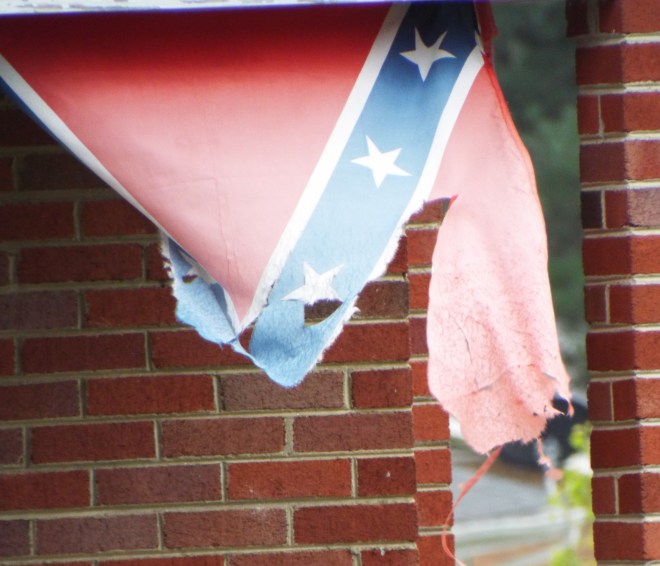
Saw a confederate flag
on display today
hanging on someone’s porch banister—
sinister.

That’s how they always seem to me:
menacing, taunting, ominous;
synonymous
with hate and fear,

jeering at me.
Obtrusive, abusive.
But something was different here—
torn, worn, shredded, frayed.

A charade, I thought.
A symbol perhaps unintended,
decreeing in its degenerate state
that it’s time to stop.

Swap your misplaced anger.
Anchor your feelings in love instead.
Spread the word: its time is over.
Done.

Spring Has Sprung!

In this yet another crazy weather year, the entire month of February was one cruel joke: such sunny, springlike weather that some of the wildflowers began to bloom. It gave us a too-early taste of the beauty and hope of spring. And then, winter returned—with a vengeance. It must have decided it liked it here because it stayed and stayed. Those heavy winter coats we wanted to put away back in February were called into frequent action all through April.

I wondered if spring would ever come. Seriously, I began to have my doubts. Back in April, my Facebook memories taunted me. There I was with a healthy handful of asparagus in early April a few years ago. This year, though, not the tiniest hint of an asparagus spear more than a full month later. Next, a three-year-old memory popped up showing our big rhododendron bursting with beautiful clusters of pink. That was a few weeks ago. Meanwhile, our rhodie remained bereft of color.

Finally, of course, spring did decide to emerge, and when it did it came on like a house afire. Pretty, white trillium flowers began dotting our forest landscape. One day the ground broke in a couple of spots in our asparagus bed. The next, we were deluged with asparagus. (I am not complaining.) We hadn’t been able to get our early crops planted as early as usual this year. It was either too cold or too wet. When we did have a decent break in the weather, our schedules demanded something else of our time.

Now we’re making up for it. We took to the garden on the first clear day of May. We may have gotten a little ahead of ourselves—our last average frost date is May 25th, but the long-range forecasts look so hopeful we’re taking a chance. We’ve forced ourselves to hold off on the things that demand more heat, but we couldn’t wait to get most everything else in the ground, even those seeds that say not to plant until there’s no more danger of frost. At this point, I’m okay with replanting if some of our seedlings get zapped by a late frost. It just felt too good to get out there and get dirt under my fingernails.
So far, we’ve planted onions, spinach, radishes, carrots, parsnips, rutabaga, kohlrabi, cucamelon, shelling and snow peas, runner beans, potatoes (purple and yellow), yellow squash, zucchini, lots of herbs, cabbage, broccoli, eggplant, beets, and more, as well as new raspberries, blueberries, and blackberries. Still to come: Christmas limas, scarlet runners, tomatoes, green beans, okra, and cukes.
Here are a few photos of long-awaited growing things—both wild and from the garden.

We’re eating asparagus everything these days!

DSCF1898

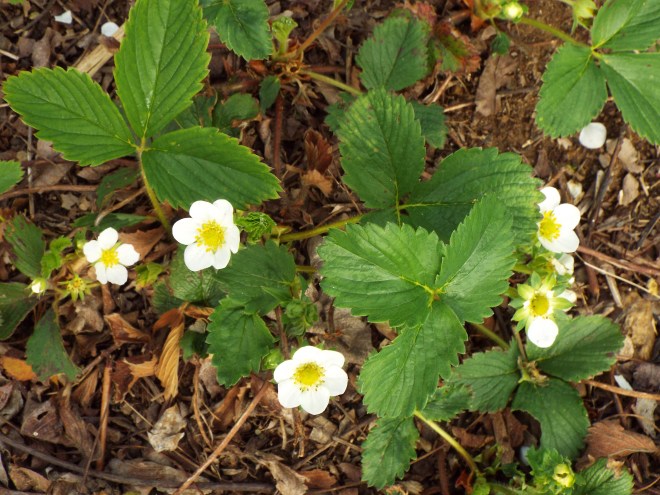
Lots of strawberry blossoms—yum!

DSCF1911

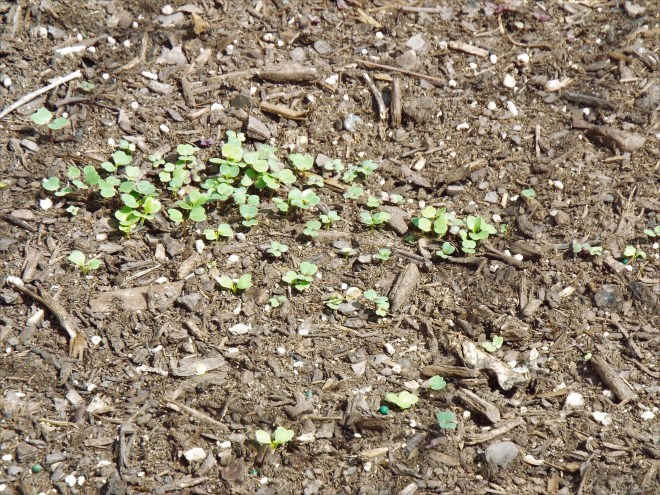
The peas are up.

So are our salad greens—already they need thinning. Fine by me.

We’re giving Jerusalem artichokes a try this year, safe and secure in their own little bed so they don’t take over the whole garden.

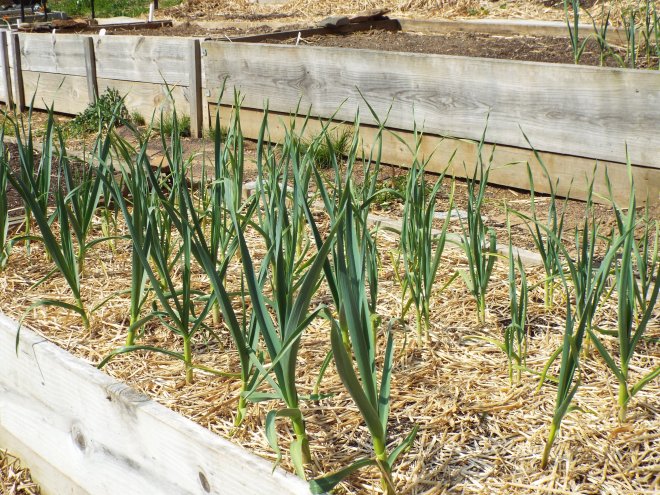
Garlic is so special—plant it in the fall and forget it. It’s the first thing to appear in spring.

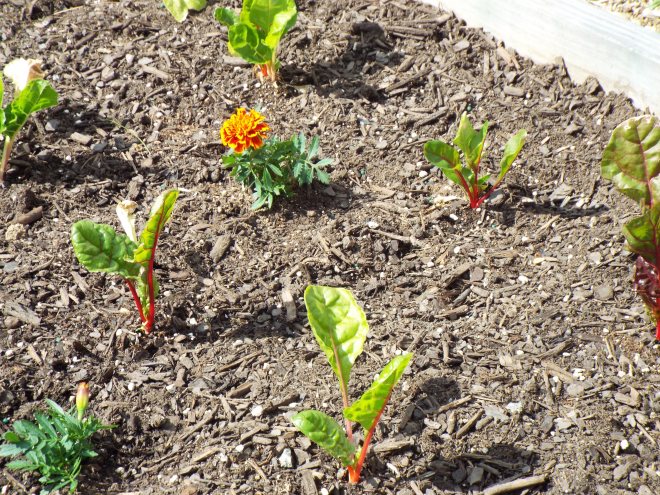
Bright Lights chard with stems in beautiful rainbow hues, interplanted with marigolds for even more color

Edible wildflowers–what a gift! Violets (sugared, for jelly, or in salads); wild mustard flowers and leaves add color and tang to salads; star chickweed is another salad option; mayflowers grow a sort of apple-like fruit that can be used in pies—assuming you can get to them before the deer. We never have.


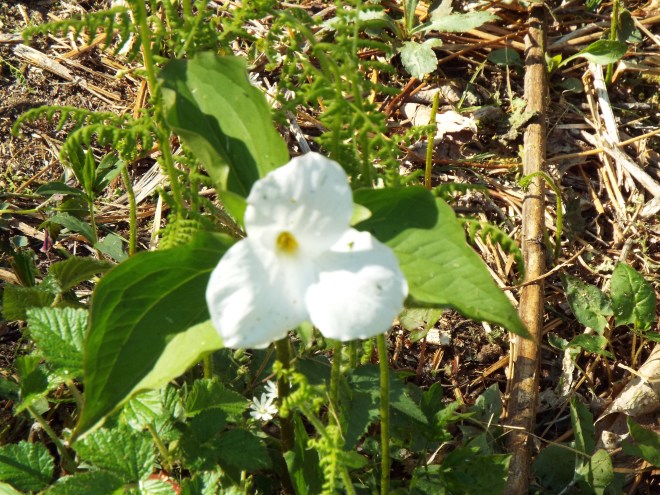
Trillium—they have three of everything, it seems. And they’re all over the place right now.


Showy columbine


Deep Freeze

Winter went into overdrive around here a couple of weeks ago. We live in the high mountains of western North Carolina so, even though we live in the south, we’re used to cold winters. It’s not unusual for temperatures to drop into the single digits or into negative territory. We experienced a frigid -32° one year—and, no, that wasn’t the wind chill factor. Almost always, though, those cold spells are short and interspersed with warmer temps.

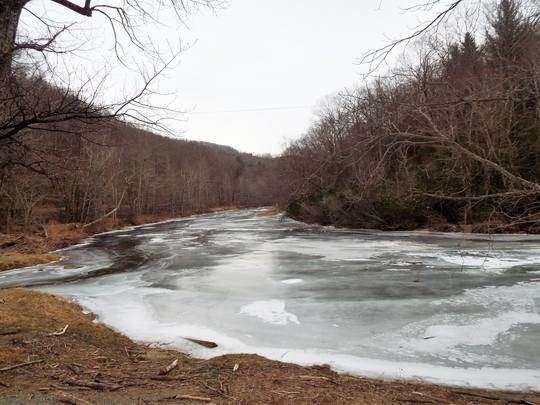
This time was a little different. The -5° to +5° days lasted far longer than usual. Long enough for mountain waterfalls to transform themselves into a paradise for ice climbers. (Tip: don’t try this at home, kids!) The damp seeping between rock-lined roadsides turned into massive icicle displays, and our fast-moving mountain streams and rivers froze solid. Nothing out of the ordinary for some parts of the globe, I know, but around here it was unusual enough for the Gnome and me to decide that, in spite of the cold, we wanted to get out there and see some solid water, camera in hand.

It was late afternoon when we left home so we didn’t get to check out as many streams as we’d hoped. Besides, we quickly got sidetracked. Still, it was a fun adventure and we did manage to get a few photos. It finally warmed up some and, with a few exceptions, most of our daylight hours have been above freezing for a while now. Colder weather will return soon enough. Who knows what photo ops we’ll find then. In the meantime, here are a few of the scenes we captured on our field trip.


We had to stop the car when we came upon this sight. If you look closely you’ll see a small stream of water shooting out of the icy sculpture created by the fountain (right). The high winds of a few days before had blown the water to the left to create another sculpture. Cool!

Rocky roadside cliffs have turned into giant icicle displays everywhere you turn.

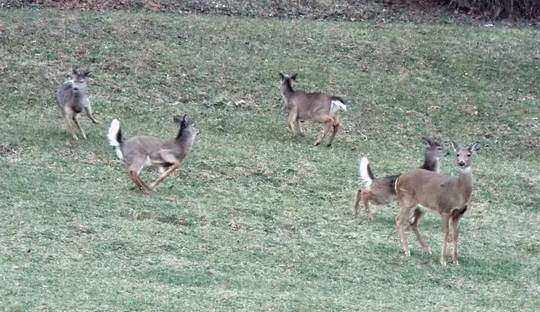
We never pass up an opportunity to observe and photograph deer.

The trees obscure this scene, but we kept coming upon mountainsides covered in ice from peak to base where water had oozed from rock seams to create what looks like frozen waterfalls.


This great blue heron was clearly frustrated in its search for food on the frozen river. 

rsz_heron_wings_2

We’re not used to seeing dogs walk on top of rivers.

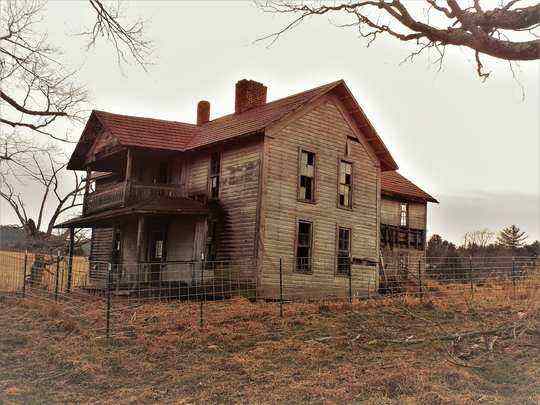
No ice here, but we can never resist the sight of old, abandoned houses. When we saw this one on a distant hillside, we were forced to take a detour. 


A Holiday Gift for You: Winter Rain Surprise

Winter Rain Surprise

Morning rain
left droplets by the scores
hanging from branches
across today’s countryside.

The sun
peeks through cloudy skies
transforming water
into iridescent fairy lights
and tiny glass ornaments
to decorate all outdoors
for the holidays.

The List, Part II: Priorities

THE LIST, Part II: Priorities

(If you’re just tuning in, you’ll want to catch up. You can find Part I here.)

Right up near the top of my “One Hundred Things I Want to Do When I Retire” list was to make baskets. I had first learned how as a child from my maternal grandmother.

My grandmother: high school graduation photo

My grandparents, W. G. and Georgia Stillwell Dillard, on their fiftieth anniversary

Grandmother always had craft activities ready and waiting whenever we went for a visit, and she and I made baskets on more than one occasion. Basket making with Grandmother is one of my fondest memories.

An early basket weaving exercise under Grandmother’s tutelage

But I’d long since forgotten that skill. When I saw an ad for a basket-making class as part of Appalachian State University’s Craft Enrichment Program about three years before I retired, I jumped at it.

In those days I regularly worked until seven or eight o’clock at night and too often as late as ten or eleven. I took work home on the weekends. I dreamed about work. I woke up in a 3:00 a.m. work-related panic almost nightly. My job involved overnight travel, too, sometimes a couple of trips a week. I hadn’t had time for just-for-me activities for years. But I wasn’t about to let anything interfere with my basket-making sessions. In three years of classes, I missed only one because of work.

Making baskets was good for my spirit; it relaxed me; it gave my overworked mind a break from all the work-related issues that were swirling around in it. I really loved making those baskets, and I was eager to delve into my newfound hobby in a big way once I retired. In anticipation of that day, I bought my own basket-making supplies and four big boxes of reed and other materials.

Just a few of the many baskets I made in my basket-making workshops

A few things happened to change all that. No studio space for making baskets magically appeared. Nor did our small house with its open design lend itself to leaving materials all over the place between sessions. Just pulling out all those boxes and supplies, then putting them all away and sweeping up the debris after a basket-making session was time-consuming, so much so that it was only worth doing if I was going to make a day of it. But a full day of hand weaving, of pushing and pulling, of holding ornery pieces in place with one hand while forcing a reed through a too-small space with the other is hard on fingers, especially arthritic ones.

And I was running out of ways to use those baskets. Our house was overrun with them, and I’d given away more than people really wanted to receive. My skill hadn’t developed enough to sell my baskets and I wasn’t really interested in marketing them, anyway—too much like work.

Most of all, I began to realize that baskets had been my very important respite from the daily grind of my work life but now things were different. My needs had changed. Basket-making, it turned out, had served its purpose.

Besides, other interests had begun to take on more importance, like gardening and food preservation. Both of these activities had been on my list, too. At the time, my goal was simply to re-learn those skills from my childhood. I wanted to be competent at them, enough so that if, say, climate change challenged our food distribution system (as it has now begun to do), I’d be able to take care of my own food needs. In other words, I wanted to move towards more self-reliance.

But even I had no idea how these two activities would begin to take over my life. I didn’t expect to get so passionate about them. Why, last year the Gnome and I grew more than twelve hundred pounds of vegetables in our garden, far more than enough for the annual food needs of two people.

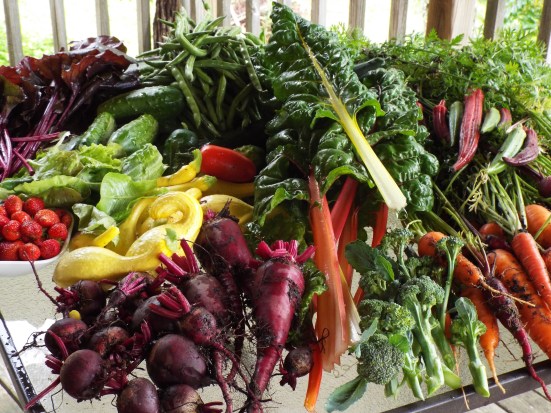
One day’s harvest from our garden

I looked back at my list recently and discovered I’d made a pretty good dent in it. What I hadn’t expected though, was to discover a few more items that had lost their importance as new interests—gardening and food preservation, for instance—emerged to take their place. Interests that sometimes have taken me by complete surprise. Like writing. Writing didn’t earn a single mention on my list. Yet, here I am with two books to my name (and hopefully more on the way), a couple of blogs, daily dedicated writing time, and participation in various writers’ groups. Who saw that coming? Not I! That’s the way it is with plans. Priorities change.

It’s one of my favorite things about retirement. I can be flexible. And I don’t need to make any more lists. Which was, as it happens, item 100 on my list.

(Won’t you come back next week for Part III of The List?)